


 Link label

GNC Alternatives: Top Holistic Nutritional Support Options
Table of Contents
- Why People Seek GNC Alternatives for Holistic Nutritional Support
- Top GNC Alternatives for Holistic Wellness
- Understanding Clean Label Supplement Brands
- Benefits of Third-Party Tested Supplements
- How to Build a Holistic Wellness Routine with Quality Supplements
- Making the Switch: What to Look for in Your Next Supplement Brand
- Conclusion
Last Updated: August 22, 2026
Why People Seek GNC Alternatives for Holistic Nutritional Support
When you're building a wellness routine that actually sticks, the supplement retailer you choose matters more than most people realize. Many professionals working from home or balancing demanding schedules find themselves at a crossroads: continue with mainstream chains, or explore options that align with a more intentional approach to health. The shift toward GNC alternatives for holistic nutritional support reflects a broader change in how people think about supplements, less about mass-market convenience, more about quality, transparency, and personalized wellness.
At thewellbeingshop.com, we've noticed this trend accelerating. People aren't just looking for vitamins anymore. They're seeking brands that prioritize adaptogenic support, third-party testing, and formulations rooted in both traditional wisdom and modern science. They want to know where ingredients come from, how they're processed, and whether they actually work.
The reality is straightforward: not every supplement retailer operates the same way. Some prioritize volume and shelf space. Others focus on curated selection, ingredient integrity, and customer education. When you're investing in your health, whether that's supporting immune function, managing stress, or optimizing energy, the difference between a generic option and a thoughtfully formulated alternative can be substantial. This guide walks you through what separates quality supplement brands, how to evaluate what you're actually buying, and which alternatives deliver real results for a holistic wellness approach.
Top GNC Alternatives for Holistic Wellness
The supplement landscape has expanded dramatically. Where mainstream retailers stock hundreds of undifferentiated products, specialized wellness brands now offer deeply researched, targeted formulations. The best GNC alternatives for holistic nutritional support share a common thread: they treat supplements as part of an an integrated wellness system, not isolated products.
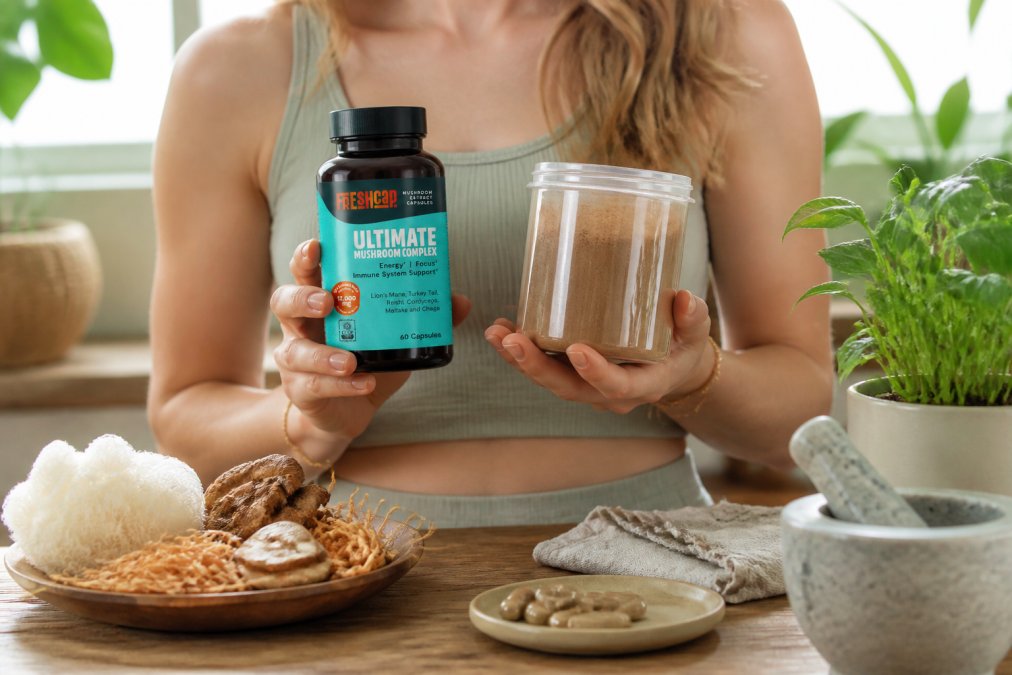
Mushroom-Based Supplements for Adaptogenic Support
Adaptogenic supplements have moved from wellness fringe to mainstream health optimization. Mushrooms, particularly dual-extracted varieties, deliver bioavailable compounds that support immune function, mental clarity, and stress resilience without the crash associated with stimulants.
The Organic Mushroom Complex Supplement Capsules from thewellbeingshop.com represents this category well. At $27.99, this quadruple-extracted blend delivers 12,000mg of raw mushroom power across six functional varieties. What makes this approach different from generic mushroom blends: the extraction method matters. Quadruple extraction breaks down cell walls more thoroughly, increasing bioavailability, meaning your body actually absorbs and uses the compounds rather than passing them through your system (peer-reviewed research).
For those preferring powder form, the Organic Mushroom Extract Powder Blend ($34.99) offers the same 12,000mg potency in a versatile format you can mix into coffee, smoothies, or broths. Powder delivers faster absorption than capsules and integrates seamlessly into daily routines for people managing tight schedules.
If you're targeting specific health goals, particularly immune support and antioxidant protection, the Chaga Mushroom Extract Capsules ($39.99) focuses on a single, research-backed mushroom. Chaga contains unique polysaccharides and beta-glucans (peer-reviewed research). Dual extraction here yields 14,000mg raw mushroom power per serving. This concentrated approach works well for people who want targeted support rather than a broad-spectrum blend.
The key advantage of mushroom-based alternatives over standard retail chains: these formulations acknowledge that not all mushrooms are equal, and extraction method determines efficacy. Most mainstream retailers stock mushroom supplements with minimal extraction, resulting in products that look good on labels but deliver limited nutritional impact.
Herbal Formulas for Targeted Health Goals
Herbal supplements bridge traditional wellness practices with contemporary health optimization. Unlike single-ingredient vitamins, herbal formulas work synergistically, each plant component supports the others, creating effects greater than any ingredient alone.
The Lifestream Herbal Supplement by Sunrider ($53.51) exemplifies this approach. Formulated with sophora flower, dwarf lilyturf root, and gout eng, this blend targets circulatory health and promotes balanced fluid movement throughout the body. The Philosophy of Regeneration framework underlying this formula recognizes that sustained wellness requires supporting multiple systems simultaneously. For professionals experiencing circulation challenges from prolonged sitting or stress, this represents a more sophisticated intervention than generic circulation support.
For women navigating hormonal transitions, the Bella Natural Herbal Food Supplement for Women by Sunrider ($79.36) offers plant-based support without synthetic hormones. Formulated with pueraria root, barrenwort leaf, and marsh parsley leaf, Bella addresses mood stability, metabolic support, and skin vitality from the inside. The distinction here matters: this isn't a pharmaceutical intervention, but rather nutritional support that works with your body's natural processes. Herbal formulas work best when integrated intentionally into daily practice. Unlike taking a multivitamin and forgetting about it, these supplements reward consistency. Two capsules daily with meals becomes part of a deliberate wellness ritual, not an afterthought.
Understanding Clean Label Supplement Brands
Clean label isn't marketing jargon, it's a specific commitment to transparency and ingredient integrity. Brands operating under clean label philosophy disclose everything: where they source ingredients, how they process them, what they exclude, and why.
This matters because supplement regulations differ dramatically from pharmaceutical standards. The FDA doesn't pre-approve supplements the way it does medications (the FDA). That means the burden of quality assurance falls on manufacturers. Most mainstream retailers stock products from suppliers who cut corners, using fillers, artificial binders, or ingredients sourced from questionable suppliers.
Clean label brands invert this dynamic. They start with the outcome they want to achieve, then source the highest-quality ingredients capable of delivering it. They exclude common fillers like silica, magnesium stearate, and artificial colorants. They use extraction methods that preserve nutrient density rather than minimize cost.
When evaluating a clean label supplement brand, look for these signals: ingredient sourcing transparency, third-party testing certification, extraction method disclosure, and honest communication about what the supplement can and cannot do. Brands making vague health claims or hiding ingredient origins typically don't operate under clean label principles.
The thewellbeingshop.com approach aligns with clean label standards. Products like the Organic Mushroom Complex and Lifestream formulas prioritize ingredient quality and extraction integrity. You're not paying for marketing or packaging, you're paying for formulation sophistication and supply chain transparency.
Benefits of Third-Party Tested Supplements
Third-party testing is the difference between a supplement that does what it claims and one that doesn't. Independent labs verify that products contain the ingredients listed in the quantities stated, and that they're free from contaminants like heavy metals, microbial pathogens, or undisclosed additives.
This matters because supplement manufacturing isn't as tightly regulated as pharmaceutical production. A brand can claim their mushroom complex contains 12,000mg of mushrooms, but without third-party verification, that number is essentially unverifiable. Third-party testing removes that ambiguity.
Testing protocols vary. Some labs verify ingredient identity and potency only. Others test for contaminants, heavy metals, and microbial presence. The most rigorous testing includes stability testing, which confirms that the product maintains its potency throughout its shelf life.
When you purchase from brands committed to third-party testing, you're buying certainty. You know the supplement actually contains what the label promises. You know it's free from dangerous contaminants. You know it will remain effective until expiration. That certainty costs more upfront than buying untested alternatives, but it eliminates the risk of wasting money on ineffective products or, worse, ingesting harmful contaminants.
| Testing Type | What It Verifies | Why It Matters |
|---|---|---|
| Identity & Potency | Ingredients match label claims | Confirms you're getting what you paid for |
| Contaminant Screening | No heavy metals, pathogens, or residues | Protects against harmful substances |
| Stability Testing | Potency maintained through shelf life | Ensures effectiveness at any point during use |
| Allergen Testing | Free from common allergens | Critical for people with sensitivities |
How to Build a Holistic Wellness Routine with Quality Supplements
Building a sustainable wellness routine means treating supplements as part of an integrated system, not isolated interventions. The most effective routines align supplements with daily habits, stress management, movement practice, and nutritional choices.
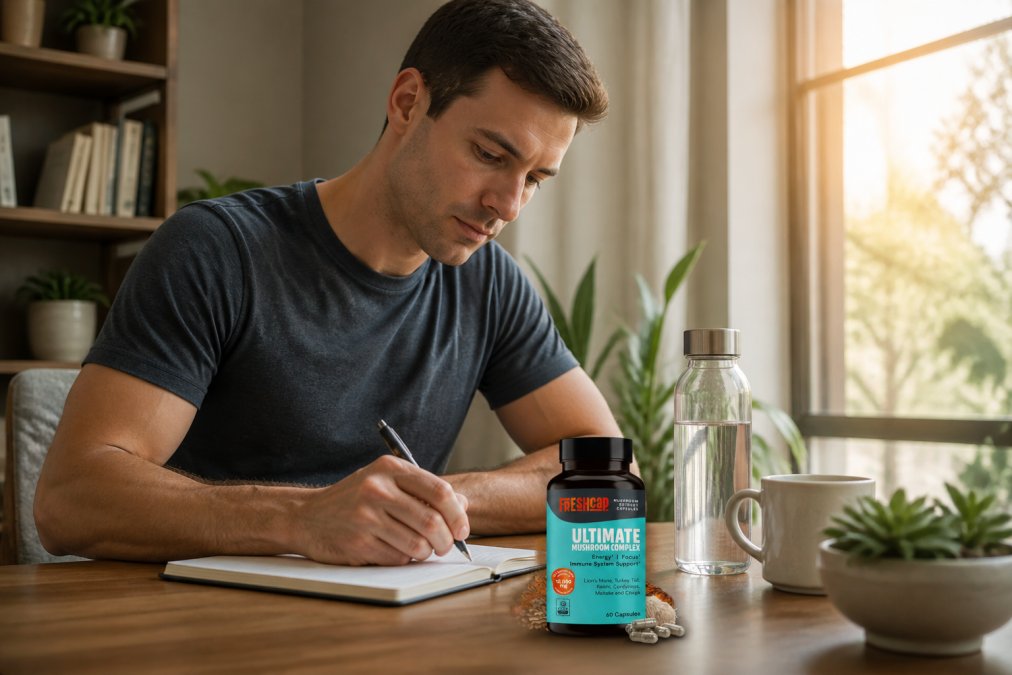
Start by identifying your specific wellness goals. Are you seeking adaptogenic support for stress resilience? Targeted circulatory or metabolic support? Immune optimization? Different goals require different supplement strategies.
Next, establish a consistent delivery mechanism. Most people succeed when they anchor supplements to existing habits. Take your mushroom complex with morning coffee. Take herbal formulas with meals. This removes the friction of remembering and makes supplementation automatic.
Quality matters more than quantity. A well-formulated mushroom blend or herbal formula often delivers better results than taking five different single-ingredient vitamins. Synergistic formulations work more effectively than isolated compounds because the ingredients support each other's absorption and function.
Track how you feel. Wellness improvements aren't always dramatic. You might notice better sleep quality, more stable energy, improved focus, or reduced stress response. Keep a simple journal noting these shifts. After 4-6 weeks, you'll have clear data about whether a particular supplement is working for your system.
Rotate or adjust based on seasonal needs and life circumstances. Your supplement routine in winter might differ from summer. High-stress periods might call for different adaptogenic support. Effective wellness practitioners adjust their approach rather than rigidly following the same routine year-round.
Making the Switch: What to Look for in Your Next Supplement Brand
When you're ready to move beyond mainstream retail alternatives, several evaluation criteria separate legitimate brands from those simply riding wellness trends.
Extraction and Processing Transparency: Understand how the brand processes their ingredients. Quadruple extraction, dual extraction, cold processing, these aren't marketing terms. They're specific methods that determine bioavailability. Brands that explain their processing are confident in their approach.
Ingredient Sourcing: Where do the mushrooms grow? Which region produces their herbs? Ingredient origin affects potency and safety. Brands sourcing from established, regulated suppliers typically deliver more consistent results than those buying from commodity markets.
Testing Documentation: Request third-party testing reports. Legitimate brands provide these without hesitation. If a company deflects or claims their testing is "proprietary," move on. Verified quality should be transparent, not secretive.
Customer Education: How much does the brand teach you about their products? Do they explain why they chose specific ingredients? Do they discuss realistic timelines for experiencing benefits? Brands that educate customers typically stand behind their formulations more credibly than those focused purely on sales.
Pricing Alignment with Quality: The cheapest supplement rarely delivers the best results. Conversely, expensive doesn't always mean superior. Look for brands where pricing reflects ingredient quality, extraction sophistication, and testing rigor, not just marketing spend.
When evaluating thewellbeingshop.com specifically, you'll find these criteria consistently met. The Organic Mushroom Complex at $27.99, Organic Mushroom Extract Powder at $34.99, and Chaga Mushroom Extract Capsules at $39.99 reflect genuine formulation differences, not arbitrary price tiers. The herbal formulas from Sunrider, Lifestream at $53.51 and Bella at $79.36, represent specialized, targeted interventions requiring more complex sourcing and processing.
Moving beyond mainstream supplement retailers means committing to intentionality. You're choosing quality over convenience, transparency over marketing, and long-term wellness over quick fixes. The GNC alternatives for holistic nutritional support outlined here share a common philosophy: supplements work best when they're part of a deliberate wellness practice, formulated with ingredient integrity, and verified for actual efficacy.
The shift toward brands like thewellbeingshop.com reflects a fundamental change in how health-conscious individuals approach supplementation. You're not just buying pills or powders, you're investing in formulations designed to support sustainable, integrated wellness. Start with one product aligned to your specific goal. Track the results. Build from there. That intentional approach transforms supplements from random purchases into a cornerstone of lasting health optimization.
Frequently Asked Questions
What makes a GNC alternative better for holistic nutritional support?
Holistic alternatives prioritize bioavailability, clean ingredients, and therapeutic nutrition over mass-market convenience. They focus on nutrient density and synbiotics that support gut microbiome health, metabolic wellness, and anti-aging benefits. Brands offering third-party testing and transparent sourcing provide better health optimization than standard retailers. Look for supplements addressing your specific health metrics rather than generic multivitamins.
How do clean label supplement brands differ from mainstream retailers?
Clean label brands eliminate artificial additives, fillers, and synthetic binders common in mass-market supplements. They prioritize clinical-grade formulations with verified ingredient potency. Third-party testing ensures what's on the label matches what's in the bottle. Many clean label brands source organically and ethically, supporting preventive nutrition and wellness basics without side effect concerns. This transparency builds trust in supplement safety and efficacy.
Are third-party tested supplements worth the higher cost?
Yes. Third-party testing verifies ingredient identity, potency, and purity, eliminating contamination risks. For fitness performance, weight management, and anti-aging formulas, verified potency ensures you're getting the therapeutic dose needed for results. The cost difference is minimal compared to wasting money on ineffective products. Certified supplements also integrate better with personalized health routines.
How do I start building a holistic wellness routine with supplements?
Begin by identifying your primary health goals: metabolic health, immune support, fitness performance, or longevity. Choose one category at a time rather than overwhelming yourself with multiple supplements. Start with adaptogenic supplements like mushroom complexes for stress resilience, then add targeted support for gut health or fitness performance. Track your health metrics and adjust quarterly. Consistency beats complexity; a simple routine you maintain beats an elaborate one you abandon.
This article was written using GrandRanker