


 Link label

Fitness Factory Alternatives for Home Wellness
Table of Contents
- Why Home Wellness Is Replacing the Traditional Gym Model
- Smart Home Gym Systems: High-Tech Fitness Factory Alternatives
- How to Build a Home Gym on a Budget Without Sacrificing Results
- Virtual Personal Training Apps: The Digital Coaching Alternative
- Mental Wellness and Recovery: Apps for Holistic Home Practice
- Comparing Fitness Factory Alternatives: What Matters Most
- Building a Hybrid Wellness Model: Equipment + Digital Coaching
- Making Your Home Wellness Investment Stick
Last Updated: August 7, 2026
Why Home Wellness Is Replacing the Traditional Gym Model
Home wellness has become a fundamental shift in how people approach fitness. Remote workers, busy professionals, and fitness enthusiasts are discovering that building sustainable wellness habits at home often beats the traditional gym grind. The Well Being Shop has tracked this transition closely: people who integrate movement into their home environment stick with routines longer and see more consistent results than those commuting to a gym.
Home wellness eliminates friction, no commute, no waiting for equipment, no social pressure. True wellness isn't about grinding through an hour at a gym; it's about consistent, intentional movement throughout the day paired with recovery tools and mental wellness practices that fit your life. Smart home systems, digital coaching apps, and curated recovery tools have matured enough to deliver gym-quality results without the gym.
Smart Home Gym Systems: High-Tech Fitness Factory Alternatives
Smart home gym systems represent the most direct fitness factory alternative for serious strength training. These AI-powered coaching platforms adapt to your strength level, track progress obsessively, and deliver personalized workouts based on performance. They solve the biggest problem with traditional home gyms: keeping you accountable and progressing without a coach watching.
Tonal 2: AI-Powered Strength Training at Home
Tonal 2 is a wall-mounted strength training system delivering full-body workouts using digital weight technology up to 200 lbs per arm. The real advantage is precision: Tonal tracks every rep, analyzes form through the built-in camera, and adjusts your next workout based on performance. Setup takes about 2 hours, and the compact wall-mounted design works even in small apartments.
Best for: Serious strength trainers who want personalized coaching and measurable progression without leaving home.
Pros:
- Saves significant space compared to traditional racks and dumbbells
- AI adjusts weight dynamically for optimal training stimulus
- Expert coaching built into every workout
- Comprehensive progress tracking
Cons:
- High initial investment ($4,295 equipment plus ongoing subscription)
- Requires wall space and proper installation
Peloton Bike+: Cardio and Multi-Discipline Classes
Peloton Bike+ is the gold standard for interactive home cardio, offering live and on-demand classes across cycling, strength, yoga, and meditation. The leaderboard and instructor-led motivation keep people engaged in ways solo home workouts never did, creating a group fitness experience from home.
Best for: Cardio enthusiasts and those who thrive on instructor motivation and community competition.
Pros:
- Highly motivating instructor-led classes
- Diverse workout types beyond cycling
- Strong community features with real-time leaderboards
Cons:
- Significant upfront cost ($2,495 for Bike+ plus monthly membership)
- Requires dedicated floor space
Speediance Gym Monster: All-in-One Smart Resistance
Speediance Gym Monster combines strength and cardio capabilities in a single machine, appealing to people who want versatility without buying multiple pieces of equipment. Guided workouts adapt to your fitness level in a compact design suitable for smaller spaces.
Best for: Beginners and those seeking a versatile, space-saving system covering both strength and cardio.
Pros:
- Combines strength and cardio in one machine
- Guided workouts with personalized progression
- Space-efficient design
Cons:
- Pricing requires direct contact with the company
- May require subscription for full smart features
How to Build a Home Gym on a Budget Without Sacrificing Results
You don't need a $4,000 smart system to build a functional home gym. Strategic equipment choices deliver serious results for a fraction of that cost. Start with one training style, master it, then expand.
Essential Strength Training Gear Under $500
Dumbbells, resistance bands, and a bench form the foundation of effective strength training. Adjustable dumbbells are the smartest investment for space and budget, replacing an entire rack of fixed weights for $200-400. Pair them with a simple weight bench ($80-150) and you've got the foundation for upper body, lower body, and core work.
Resistance bands add versatility without taking up space. A quality set with different resistance levels costs $30-50 and opens up dozens of exercises that dumbbells alone can't replicate. Add a pull-up bar ($30-60) if you have a doorframe, and you've covered pulling movements too.
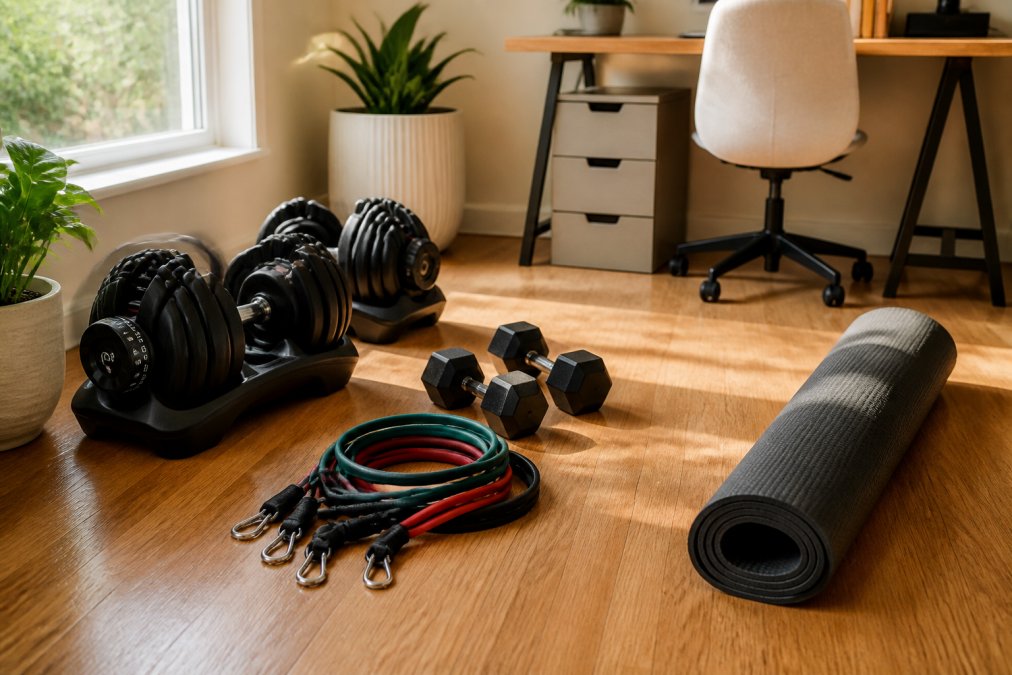
For under $500 total, you've got everything needed for a complete strength program. Skip heavy barbells, cable machines, and fancy equipment that promises to "target specific muscles", dumbbells and bands do that job better and cheaper.
Space-Saving Solutions for Small Apartments
Small spaces don't mean small results. Wall-mounted pull-up bars save floor space and add a functional movement pattern. Resistance bands hang on hooks. Dumbbells fit in a compact stand or corner. A yoga mat rolls up and stores behind a door. Vertical storage is your friend: wall-mounted shelving for lighter items, pegboards for bands, and hooks for suspension trainers keep everything accessible without consuming floor real estate.
When your home gym is compact and organized, you're more likely to use it. A sprawling mess of equipment becomes invisible.
Virtual Personal Training Apps: The Digital Coaching Alternative
Digital training apps provide structure, progression, and accountability at a fraction of the cost of in-person coaching. The best apps combine video instruction, progression tracking, and community features that keep you engaged without requiring you to show up somewhere at a specific time.
BODi: Structured Programs with Nutrition Integration
BODi offers a massive library of structured workout programs paired with nutrition guidance. Programs range from HIIT and strength to yoga and dance cardio, each with a clear progression path. You know exactly what you're doing each day for the next 30, 60, or 90 days. The nutrition component is the real differentiator: meal plans integrate with your training program, and the app tracks both workout performance and eating patterns.
Best for: People who need structure, guidance, and accountability across both training and nutrition.
Pros:
- Extensive program library for all fitness levels
- Integrated nutrition planning with meal suggestions
- Clear progression paths keep you moving forward
- Community features for accountability
Cons:
- Requires subscription
- Some programs may require specific equipment
- Requires self-motivation without in-person coaching
Jazzercise On Demand: Fun, Energetic Workouts
Jazzercise On Demand emphasizes fun, music-driven dance cardio that keeps workouts engaging rather than feeling like a chore. If you actually enjoy your workouts, you'll do them. The variety of class styles (dance cardio, strength, HIIT, Pilates, recovery) means you can mix things up daily without leaving the app.
Best for: People who thrive on music, movement, and community energy without needing rigid structure.
Pros:
- Variety of workout styles in one platform
- Music-driven approach makes workouts enjoyable
- No equipment needed for most classes
- Live and on-demand options available
Cons:
- May not appeal to those preferring traditional strength training
- Less emphasis on measurable progression metrics
Mental Wellness and Recovery: Apps for Holistic Home Practice
Physical training is only half the equation. Recovery apps address stress, sleep, and mindfulness, foundational to sustainable fitness and health. Recovery happens during sleep and stress management, not just in the workout. If you're training hard but sleeping poorly, you're undermining your results.
Calm: Sleep and Stress Management
Calm combines guided meditations, sleep stories, and breathing exercises designed to reduce stress and improve sleep quality. The sleep stories use narrative structure and voice techniques proven to trigger sleep onset. The variety is substantial: use Calm for a 5-minute stress break, a 20-minute meditation, or a full sleep story.
Best for: Anyone struggling with sleep quality, stress management, or looking to add a mental wellness component to their fitness routine.
Pros:
- Wide variety of meditation and sleep content
- User-friendly interface with easy navigation
- Immediate stress relief tools available anytime
- Proven effectiveness for sleep improvement
Cons:
- Limited free content (most requires subscription)
- Full access requires paid membership ($14.99/month or $69.99/year)
Insight Timer: Free Meditation and Mindfulness
Insight Timer offers the largest free library of guided meditations available, with over 60,000 free sessions plus live meditation classes. The free tier is genuinely functional, you're not constantly hitting paywalls. This removes friction and makes daily practice more likely.
Best for: Practitioners seeking a vast free meditation library and community connection without subscription costs.
Pros:
- Largest free meditation library available
- Diverse styles and teacher approaches
- Live sessions add community accountability
- Strong community features for connection
Cons:
- Volume of content can feel overwhelming
- Premium features require subscription ($9.99/month or $59.99/year)
- Quality varies across free user-generated content
Comparing Fitness Factory Alternatives: What Matters Most
| Alternative Type | Best For | Cost Model | Space Required | Coaching Level |
|---|---|---|---|---|
| Smart Home Systems (Tonal, Peloton) | Serious fitness enthusiasts | High upfront + subscription | Moderate to high | Expert-level AI + live coaching |
| Budget Home Gym | Cost-conscious builders | Low upfront ($300-500) | Flexible/minimal | Self-directed + app guidance |
| Digital Training Apps (BODi, Jazzercise) | Structure seekers | Subscription only | Minimal | Structured programs, no live coaching |
| Recovery Apps (Calm, Insight Timer) | Holistic wellness focus | Free to low cost | None | Guided meditation + mindfulness |
The right fitness factory alternative depends on three factors: your budget, your space constraints, and your training style. Budget-conscious builders with limited space should start with essential strength gear ($300-500) plus a digital training app ($10-20/month). People willing to invest upfront and serious about strength progression should consider smart home systems like Tonal. Those seeking variety and fun should lean toward Peloton or Jazzercise plus recovery apps.
Building a Hybrid Wellness Model: Equipment + Digital Coaching
The most effective fitness factory alternatives combine physical equipment with digital coaching. Equipment alone gets boring. Apps alone lack accountability and tangible progress. Together, they create a system that works.
Start with a clear training goal. Choose equipment that supports that goal. Then layer in digital coaching that provides structure and progression.
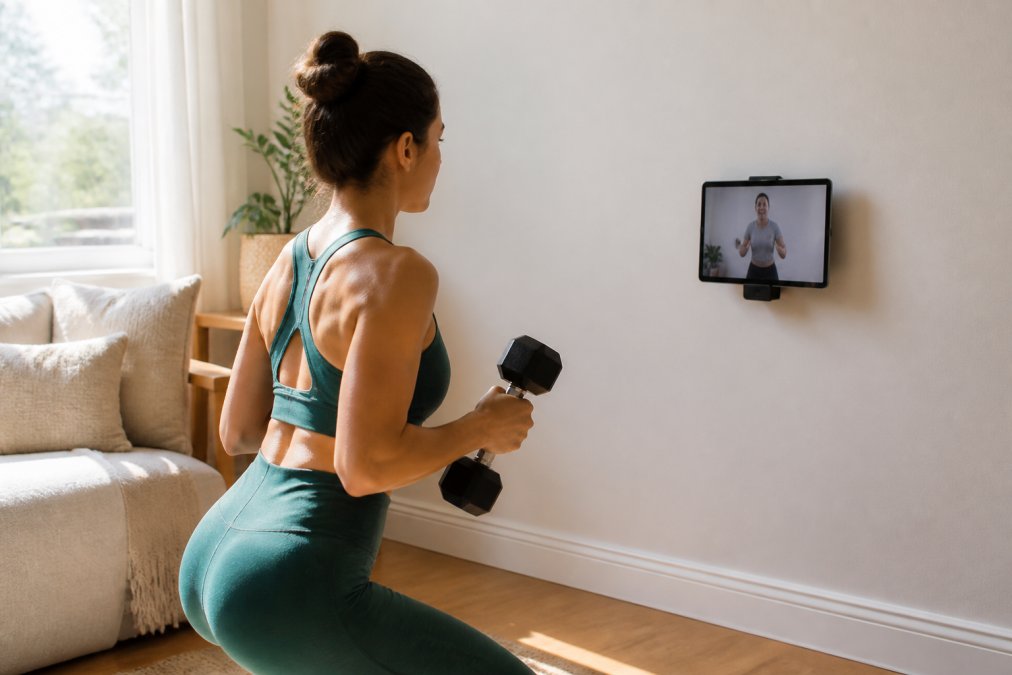
Example 1: Strength focus. Adjustable dumbbells + resistance bands + BODi strength programs. Cost: $400-500 equipment + $15-20/month app.
Example 2: Cardio + recovery focus. Peloton Bike+ + Calm + Insight Timer. Cost: $2,495 equipment + $44/month Peloton + $10-15/month wellness apps.
Example 3: Complete hybrid. Tonal 2 + BODi + Calm. This covers strength, cardio, mobility, and mental wellness. Cost: $4,295 equipment + $60/month subscriptions combined.
The hybrid model works because it eliminates gaps. Equipment provides resistance and tangible progress. Apps provide structure, variety, and accountability. Recovery tools address the sleep and stress management that most fitness routines ignore.
Making Your Home Wellness Investment Stick
The fitness factory alternative you choose only matters if you actually use it. The difference between those who stick and those who don't isn't willpower, it's environment and systems.
Make your home gym visible and accessible. Equipment in a closet gets forgotten. Equipment in your main living space gets used. Schedule workouts like appointments. Vague plans fail; specific times create accountability. Track something, workout completion, weight lifted, or meditation minutes. Tracking creates a feedback loop that keeps motivation high even when initial enthusiasm fades. Start small: a 20-minute workout you'll actually do beats a 60-minute routine you'll skip.
The fitness factory alternative landscape has matured enough that you can genuinely replicate gym results at home. Smart equipment handles coaching and progression. Digital apps provide structure and variety. Recovery tools address the mental and physical restoration that most fitness routines overlook. The Well Being Shop provides a curated selection of fitness equipment, mind-body training tools, and nutritional support designed to help you push your limits and achieve lasting life shifts. Start with one component that aligns with your primary goal, commit for 30 days, then expand from there. The results will follow.
Frequently Asked Questions
Are virtual fitness apps a good substitute for a gym membership?
Yes, for many people. Virtual personal training apps and on-demand platforms offer flexibility, lower costs, and access to diverse workout styles without commuting. However, they work best when combined with home equipment for strength training. The key is choosing apps that match your fitness style, whether that's dance cardio, structured programs, or guided strength training. Many users find hybrid models (apps plus basic equipment) deliver gym-quality results at home.
What equipment do I need for a complete home wellness routine?
A complete routine typically includes: adjustable dumbbells or kettlebells for strength training, resistance bands for functional movement, a yoga mat for bodyweight and mobility exercises, and a pull-up bar if space allows. For cardio, consider a stationary bike or jump rope. Add recovery tools like a foam roller. Start with essentials, dumbbells and a mat, then expand based on your training style and available space. Many people add smart equipment or apps for guided workouts later.
How do I create a wellness space at home on a budget?
Start with used equipment from online marketplaces, dumbbells and benches often sell secondhand at 40-50% off retail. Invest in one or two subscription apps (many cost under $15/month) rather than expensive machines. Use bodyweight exercises and resistance bands to maximize workout variety without equipment. Dedicate a corner of a room rather than requiring a full spare room. Prioritize durability and longevity; one quality dumbbell set outlasts multiple cheap alternatives, making it better value long-term.
Can I actually stick with a home wellness routine, or will equipment just collect dust?
Consistency depends on three factors: choosing equipment and apps that match your actual training style, starting small and building gradually, and integrating workouts into existing routines. The biggest mistake is buying random items without a plan. Success comes from selecting tools aligned with how you actually move, whether that's strength training, yoga, or dance cardio, and pairing physical equipment with digital coaching or community features that provide accountability and motivation.
This article was written using GrandRanker