


 Link label

MindTecStore Alternatives for Mind-Body Tools
Table of Contents
- Why Switch From MindTecStore to Alternative Mind-Body Tools
- Best Biofeedback Devices for Home Use
- Meditation and Mindfulness Apps as Alternatives
- How to Choose a Wellness Device Provider
- Comparison Table: Key Features and Use Cases
- Common Mistakes When Selecting Mind-Body Tools
- Conclusion
Last Updated: August 15, 2026
Why Switch From MindTecStore to Alternative Mind-Body Tools
The wellness tech landscape has shifted dramatically. What once seemed like a complete ecosystem now looks limiting compared to specialized alternatives that do one thing exceptionally well.
At thewellbeingshop.com, we've noticed a clear pattern: people don't abandon their current tools because they're broken. They switch because they discover something better suited to their actual life. A fitness enthusiast working from home doesn't need a generalist platform. They need biofeedback devices that integrate seamlessly with their desk setup, meditation apps that fit into 10-minute breaks, and recovery tools aligned with their specific goals.
MindTecStore alternatives offer several compelling reasons to make the switch: deeper specialization in biofeedback technology, more intuitive mobile-first interfaces, stronger integration with wearables you already own, and pricing models that don't force you to pay for unused features.
This guide walks through the best alternatives across three categories: biofeedback devices for home use, meditation and mindfulness apps, and how to evaluate which approach fits your lifestyle.
Best Biofeedback Devices for Home Use
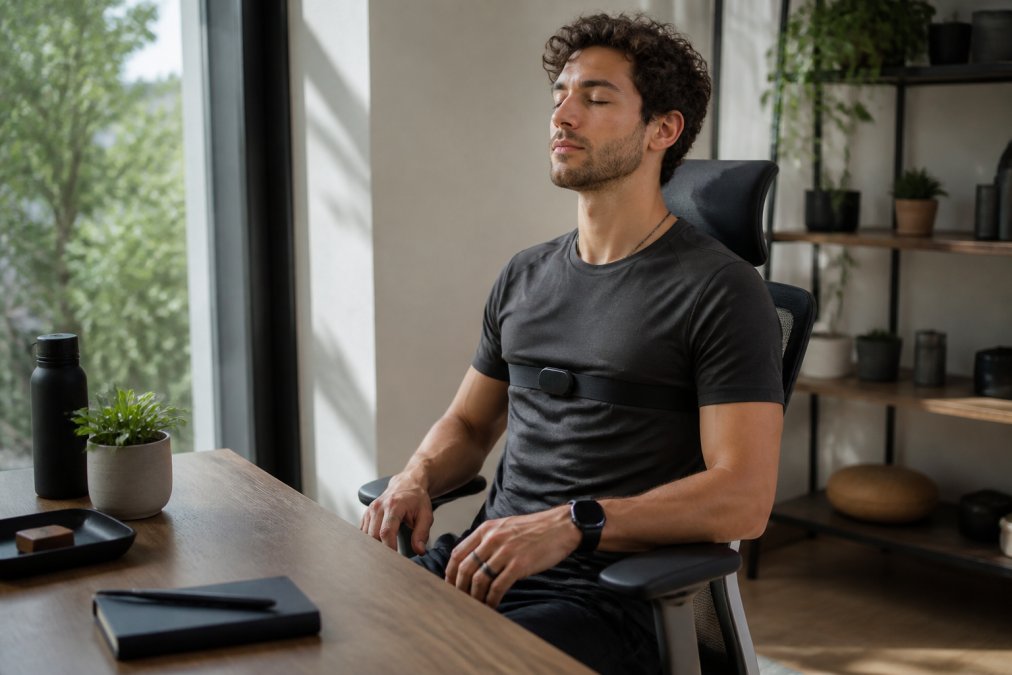
Biofeedback devices deliver real-time data about your nervous system, heart rhythm, and recovery patterns. For remote workers, this means you can monitor your stress response during a demanding workday and adjust immediately, not weeks later.
Biofeedback works by translating physiological signals into actionable information. Your heart rate variability tells you whether your body is in recovery or strain. Your sleep stages reveal whether you're getting restorative deep sleep. Your respiratory rate during guided sessions shows whether your nervous system is shifting toward calm. The best alternatives combine accurate sensors with apps that explain what the data means and how to act on it.
Wearable Biofeedback: Apollo Neuro, Sensate 2, and HeartMath
Apollo Neuro uses gentle vibrations delivered through the wrist or ankle to rebalance your autonomic nervous system. The device pairs with an app offering eight distinct vibes: Energy, Social, Focus, Recover, Calm, Unwind, Sleep, and Power Nap. What sets Apollo apart is its non-invasive approach, no screens to stare at, no complex setup. The optional SmartVibes subscription adapts recommendations based on your sleep and activity patterns. The Apollo Neuro device costs around $299.99 to $349, with an optional SmartVibes AI membership available for $79.99 to $99.99 per year.
The main limitation is that Apollo doesn't track health metrics itself. You'll need a separate device if you want to monitor heart rate variability or sleep stages.
Sensate 2 uses infrasonic waves transmitted through bone conduction via the sternum. Sessions run 10, 20, or 30 minutes and target the vagus nerve, the main pathway your body uses to shift from stress to calm. The Sensate 2 device is available for approximately $249 to $299, with some bundles including a 1-year subscription to Sensate Plus for around $348 to $349.
The trade-off: Sensate 2 requires more active engagement than Apollo. You're setting aside dedicated time, not wearing it passively throughout your day. For people committed to a structured practice, this focused approach often delivers stronger results.
HeartMath Inner Balance Coherence Plus focuses specifically on heart rate variability coherence, the synchronized rhythm between your heartbeat and breathing. The ear sensor streams real-time data to your phone, showing whether you're in coherence (calm, focused state) or incoherence (scattered, stressed state). Guided breathing sessions train your body to achieve coherence more easily over time. The Inner Balance Coherence Plus typically costs around $249.
HeartMath is backed by decades of HRV research and clinically validated. The downside is the learning curve. Coherence training requires consistent practice, typically 10-15 minutes daily for several weeks before you notice real shifts.
Advanced Tracking: Oura Ring, Biostrap, and Whoop Strap
These devices shift focus from active biofeedback to continuous monitoring and recovery optimization.
Oura Ring delivers sleep, activity, and stress insights through a discreet ring worn 24/7. The form factor is the real advantage, no wristband, no chest strap. It tracks sleep stages with remarkable accuracy and includes a period prediction feature. The Oura Advisor surfaces personalized recommendations based on your data. The Oura Ring Gen 3 Heritage ranges from $299 to $549, with a monthly membership of $5.99 to $6.99 required for full functionality after a free first month.
The limitation: Oura is primarily a sleep and recovery tracker. If you're looking for detailed workout metrics or real-time heart rate data during exercise, you'll feel the gaps.
Biostrap uses advanced optical sensors to capture clinical-quality data: heart rate, HRV, blood oxygen, and respiratory rate. The platform recognizes over 100 gym exercises using machine learning. For serious biohackers, Biostrap's raw waveform data retention means you can dive into granular physiological details. Biostrap devices, such as the Recover Set, can cost around $319, with additional accessories like wristband straps for $25 or an armband HRM for $95.
The trade-off is complexity and cost. Biostrap requires a subscription for advanced features and has a higher initial device cost than Oura.
Whoop Strap focuses relentlessly on recovery optimization. It tracks strain from daily activities and workouts, then calculates a daily recovery score that tells you whether you're ready to push hard or need to rest. No upfront device cost, you pay a monthly subscription and Whoop includes the strap. This model appeals to people who want to commit gradually rather than make a large upfront investment. WHOOP memberships range from $25 to $40 per month, or $199 to $359 per year, depending on the plan.
Meditation and Mindfulness Apps as Alternatives
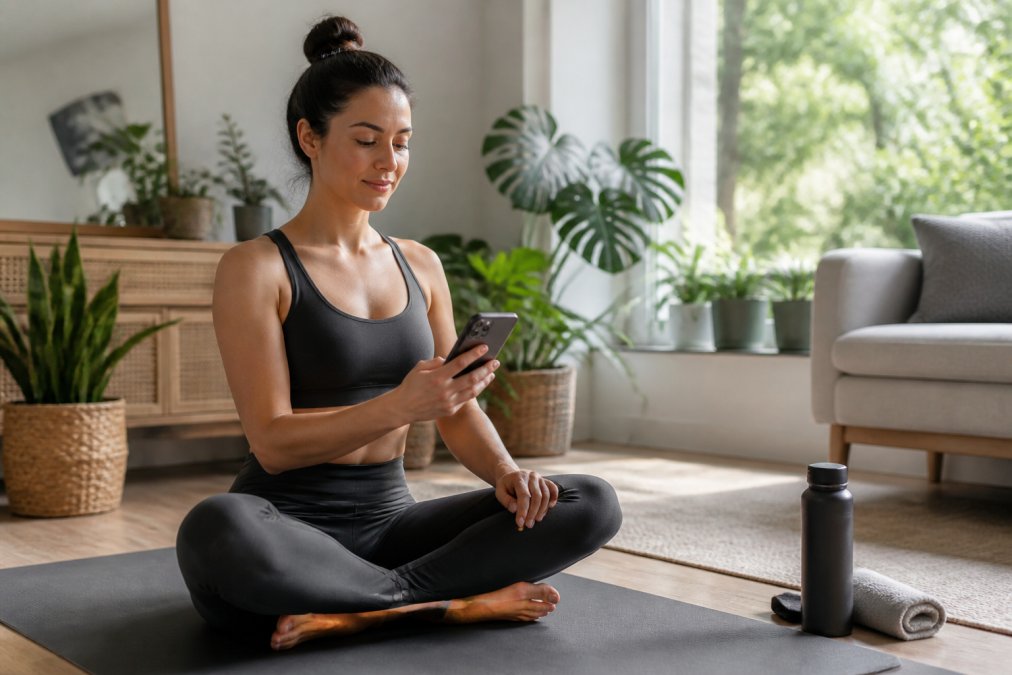
Apps represent the most accessible entry point into consistent mind-body practice. The best alternatives recognize that consistency matters more than duration, and that different people need different styles of guidance.
Calm and Headspace for Guided Practice
Calm offers thousands of guided meditations organized by length (3, 5, 10, 25, 45 minutes), topic (anxiety, focus, sleep, relationships), and teacher. Sleep Stories narrated by celebrities are genuinely engaging. The music and soundscape library is extensive, and movement and masterclass sections add depth beyond basic meditation. Calm offers a monthly subscription for $14.99 to $16.99, an annual subscription for $69.99 to $79.99, and a lifetime subscription for $399.99 to $499.99. A limited free version is also available.
Headspace takes a more structured approach, emphasizing courses and progression. The app starts with a beginner's meditation course that builds foundational skills before moving into specialized topics. This scaffolded approach appeals to people who want clear learning paths. The app includes specific courses for managing anxiety, improving focus, and building resilience. Headspace costs $12.99 per month or $69.99 annually, with student and family discounts available.
Brain.fm for Focus and Cognitive Performance
Brain.fm is engineered music designed to enhance specific mental states, not a meditation app. The technology uses patented neural phase-locking to synchronize brain activity with audio patterns. The app offers modes for Deep Work, Creative Flow, Light Work, Relax, Sleep, and Meditate, each with customizable intensity. Brain.fm costs $14.99 per month or $99.99 per year, with some older pricing showing $6.99 to $9.99 per month or $49.99 to $69.99 per year.
The biggest limitation is that Brain.fm delivers music, not meditation guidance. If you want audio that helps you focus during deep work or fall asleep faster, the engineered approach delivers measurable results for many users.
How to Choose a Wellness Device Provider
Selecting the right mind-body tools requires clarity about three things: your primary goal, your actual daily routine, and your tolerance for setup complexity.
Start by naming your specific outcome. "Better wellness" is too vague. Are you trying to reduce anxiety during workdays? Improve sleep quality? Build a consistent meditation habit? Recover faster between workouts? Each goal points toward different tools. Someone managing work stress needs something portable and passive (Apollo Neuro). Someone optimizing sleep needs detailed tracking (Oura Ring or Biostrap). Someone building a practice from scratch needs guided structure (Headspace or Calm).
Next, map your actual available time. If you have 10 minutes between meetings, a 30-minute biofeedback training session won't work. If you're already wearing multiple devices, adding another tracking tool might feel like clutter. If you work from home, you can use a device that requires sitting in one place.
Finally, assess your tolerance for integration work. Some people enjoy connecting apps and syncing data across platforms. Others find that complexity paralyzing. Multiple best-in-class tools require more setup but deliver better results in their specific domains.
Comparison Table: Key Features and Use Cases
| Tool | Primary Function | Best For | Format | Time Commitment |
|---|---|---|---|---|
| Apollo Neuro | Nervous system rebalancing | Stress relief during work | Wearable device | 5-30 min sessions or passive wear |
| Sensate 2 | Vagus nerve stimulation | Dedicated calm practice | Device + audio | 10-30 min daily practice |
| HeartMath | HRV coherence training | Biofeedback skill building | Ear sensor + app | 10-15 min daily training |
| Oura Ring | Sleep and recovery tracking | Sleep optimization | Ring worn 24/7 | Passive monitoring |
| Biostrap | Advanced biometric tracking | Serious biohackers | Wearable + subscription | Passive monitoring + analysis |
| Whoop Strap | Recovery scoring | Performance optimization | Strap + subscription | Passive monitoring |
| Calm | Guided meditation library | Sleep and stress relief | Mobile app | 3-45 min sessions |
| Headspace | Structured meditation courses | Building meditation habits | Mobile app | 3-25 min sessions |
| Brain.fm | Engineered music for focus | Cognitive performance | Mobile app | 15-60 min work sessions |
Common Mistakes When Selecting Mind-Body Tools
The first mistake is treating mind-body tools as replacements for fundamentals. No device will fix poor posture if you're sitting hunched at a desk eight hours a day. No app will build a meditation habit if you're not sleeping enough. The best tools amplify good practices; they don't substitute for them.
The second mistake is buying too many things at once. Most people benefit from starting with one tool, using it consistently for at least 30 days, then adding a second tool only if the first one is working. Buying an Oura Ring, Apollo Neuro, Calm subscription, and Brain.fm account simultaneously means you're spreading your attention across four learning curves. Most people abandon this approach within two weeks.
A third common mistake is ignoring the hardware-software fit. Some devices sync seamlessly with Apple Health or Google Fit. Others operate in isolation. Before committing, check whether your chosen tool plays well with the devices and platforms you're already using.
The fourth mistake is confusing price with value. A $300 device you use for five minutes daily delivers more value than a $15 app subscription you never open. Evaluate tools based on how likely you are to actually use them consistently, not on their feature list or brand reputation.
Finally, many people choose tools based on what they imagine their ideal routine would be, rather than what fits their actual life. The best tool is the one that matches your real preferences and real schedule, not the one that matches the person you wish you were.
The path to sustainable mind-body practice isn't about finding the perfect platform. It's about choosing tools that address your specific challenges and fit naturally into your actual routine. The alternatives to MindTecStore outlined here each excel in their domain, whether that's passive stress relief, sleep optimization, meditation guidance, or cognitive performance.
At thewellbeingshop.com, we've built our curated selection around this principle: specialization beats generalization. A device designed specifically for nervous system rebalancing will outperform a generalist platform trying to do everything. The tools that last in your routine are the ones that solve a real problem you're experiencing right now.
Start with the tool that addresses your most pressing challenge. Use it consistently for 30 days. Only then add a second tool if the first one is working and you have genuine capacity for another commitment. This methodical approach builds sustainable habits rather than creating a graveyard of abandoned apps and devices. Your mind-body practice grows through consistency with the right tools, not through accumulating every option available.
Frequently Asked Questions
What are the best alternatives to MindTecStore for mind-body tools?
Top alternatives include wearable biofeedback devices like Apollo Neuro and Sensate 2 for nervous system management, health trackers like Oura Ring and Whoop Strap for comprehensive wellness data, and meditation apps like Calm and Headspace for daily mindfulness. Each serves different needs: wearables focus on real-time stress and recovery, trackers provide sleep and activity insights, and apps offer guided mental training. Your choice depends on whether you prioritize hardware integration, app-based guidance, or data-driven insights for your home wellness practice.
How do I choose the right wellness device provider for my needs?
Start by identifying your primary goal: stress management, sleep improvement, focus enhancement, or comprehensive health tracking. Evaluate whether you prefer wearable hardware, software-only solutions, or a combination. Check for clinical backing or research supporting the device's claims. Consider the learning curve, app interface quality, and whether ongoing subscriptions align with your budget. For home use, prioritize providers offering strong customer support, clear setup instructions, and compatibility with devices you already own. Read independent reviews from users with similar goals to yours.
Are biofeedback devices worth the investment compared to meditation apps?
Biofeedback devices and meditation apps serve different purposes. Devices like Apollo Neuro or HeartMath provide real-time physiological feedback and active nervous system training, making them ideal if you want measurable data and hardware-based intervention. Meditation apps like Calm or Headspace offer guided practice and are more affordable upfront, suiting those who prefer audio-based guidance. Many users find the greatest benefit from combining both: using an app for daily practice and a biofeedback device for targeted stress management or performance optimization. Your choice depends on your learning style, budget, and whether you want hardware integration into your wellness routine.
What should I look for in a mind-body tools retailer?
Look for retailers offering curated, research-backed products rather than generic inventory. Verify they provide detailed product descriptions, compatibility information, and clear return policies. Check for educational resources like setup guides, video tutorials, or expert content explaining how to use tools effectively. Strong retailers offer responsive customer support and transparent pricing without hidden subscription costs. Read customer reviews mentioning long-term results and ease of integration into daily routines. Prioritize retailers specializing in wellness technology over general marketplaces, as they typically provide better product knowledge and support for sustained practice.
This article was written using GrandRanker