


 Link label

Why Choose Curated Wellness Equipment
Table of Contents
- The Problem With Mass-Market Wellness Solutions
- What Makes Curated Wellness Equipment Different
- Best Practices for Selecting Fitness Equipment
- Benefits of Premium Wellness Gear for Long-Term Results
- How Curated Equipment Solves Real Wellness Challenges
- Sustainability and Ethical Sourcing in Curated Wellness
- Building Your Intentional Wellness Routine
- Conclusion
Last Updated: August 10, 2026
The Problem With Mass-Market Wellness Solutions
Mass-market wellness equipment rarely solves the problems it promises. You buy a generic resistance band, use it for two weeks, and it ends up in a closet. The issue isn't motivation, most off-the-shelf fitness gear is designed for broad appeal, not your specific needs. It lacks the intentionality that separates equipment you'll actually use from equipment that collects dust.
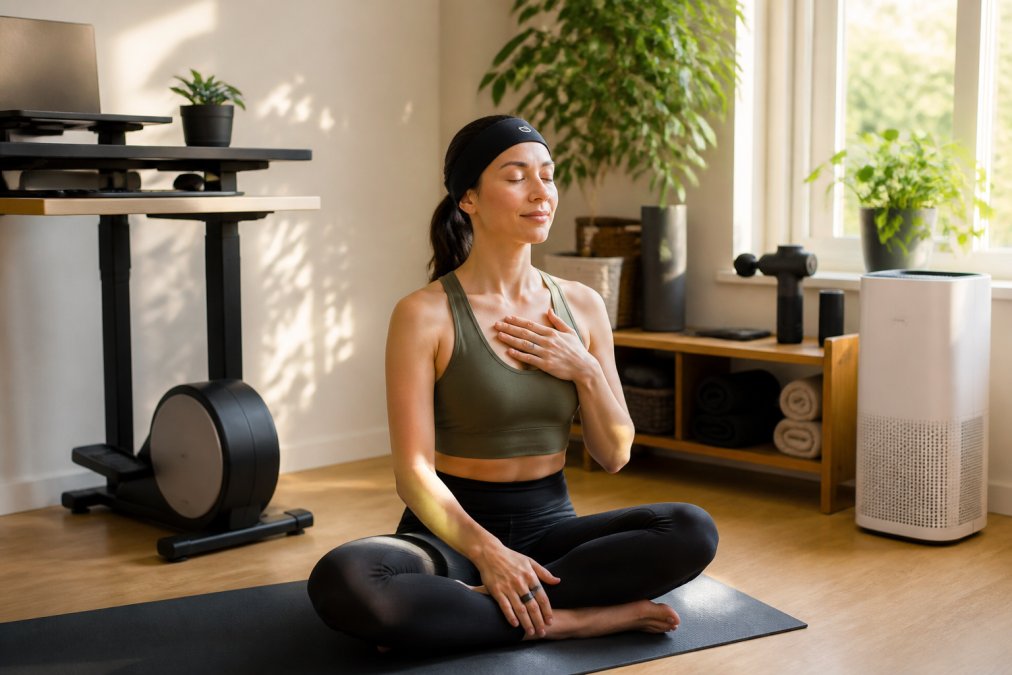
When you purchase without curation, you're making a decision based on price and convenience, not on what will move the needle for your body, your schedule, or your goals. A basic foam roller might feel fine initially, but if it doesn't address your actual tissue quality or recovery needs, you'll abandon it. Generic solutions don't account for the fact that your home setup, fitness level, and wellness priorities are unique. That's where curated wellness equipment makes the difference.
At thewellbeingshop.com, we've watched thousands of people cycle through wellness routines that fail not because they lack discipline, but because they started with the wrong tools. The equipment matters more than most people realize.
What Makes Curated Wellness Equipment Different
Curated wellness equipment is selected based on clinical efficacy, build quality, and alignment with specific wellness outcomes. Unlike mass-market alternatives, curated products are vetted for performance, durability, and their ability to deliver measurable results over time.
The difference comes down to three factors: intentionality, quality standards, and personalization. A curated approach starts by understanding what you're actually trying to achieve, whether that's posture correction for remote work, recovery optimization for active training, or stress management through meditation tools. Equipment is then selected based on evidence of effectiveness, not marketing claims or price point alone.
Mass-market solutions optimize for volume and margin. Curated solutions optimize for outcomes. A curated recovery device like the Theragun PRO Plus combines percussive therapy with heat and vibration because research supports that multi-modal approach. A generic massage gun might vibrate, but it won't deliver the same clinical benefit.
Professional-grade equipment also lasts longer, handling consistent use without replacement every six months. That durability translates to real cost savings over time and ensures your wellness routine stays consistent.
Best Practices for Selecting Fitness Equipment
Selecting the right equipment requires a framework grounded in both your physiology and realistic behavior patterns. The process has four distinct stages.
Stage 1: Identify Your Primary Constraint and Measure It
Start by defining your actual constraint, not your aspirational one. If you work from home and experience lower back pain by 2pm, your constraint is postural stability under sustained sitting. If you're recovering from training and sleep quality is poor, your constraint is parasympathetic activation and muscle recovery.
Measure your baseline. Take a photo of your seated position, track your resting heart rate variability (HRV), or monitor sleep architecture for one week before purchasing equipment. This baseline becomes your proof point, without it, you can't verify that equipment actually changed anything.
Stage 2: Evaluate Clinical Validation and Material Standards
Look for equipment with third-party testing or peer-reviewed research supporting its claims. Professional-grade equipment should have transparent specifications: material composition, durability ratings, and ergonomic design rationale.
For recovery devices, check whether the manufacturer publishes frequency ranges, amplitude specifications, and clinical evidence. A percussion massage device should specify its frequency (typically 1200-3200 Hz for therapeutic effect) and amplitude. A compression boot should list pressure ranges (typically 50-120 mmHg for athletic recovery).
Material transparency matters too. Professional-grade foam rollers use closed-cell foam or high-density EVA that resists compression over time; budget versions flatten after weeks of use. Meditation headbands should use medical-grade silicone and hypoallergenic electrode materials. These details signal engineering for durability and safety, not cost minimization.
Stage 3: Assess Ecosystem Compatibility and Feedback Loops
A single piece of equipment can work, but curated wellness routines often combine complementary tools that create feedback loops and accelerate results. A standing desk converter helps posture, but pairing it with a wearable that monitors movement patterns or a recovery device creates a more comprehensive system.
When selecting equipment, ask: Does this tool provide measurable feedback? Can I integrate it with other tools I already use? A meditation device with real-time biofeedback is more valuable than a silent timer because it shows whether your attention is improving week to week.
Stage 4: Test, Measure, and Iterate
Many curated retailers offer trial periods or extended return policies because equipment fit is genuinely personal. Start with one or two core pieces addressing your primary constraint, use them consistently for 2-4 weeks, and measure the outcome against your baseline.
If you measured posture at baseline, check it again after two weeks of using a standing desk converter. If you tracked HRV, measure it again after using a recovery device for 14 days. This verification ensures the equipment is actually working.
Once you've confirmed that one tool delivers results, expand thoughtfully by adding a complementary piece that addresses a secondary constraint or amplifies your first tool's results.
Benefits of Premium Wellness Gear for Long-Term Results
Premium wellness equipment delivers measurable benefits that budget alternatives can't match. When equipment is built to professional standards, you trust it. You don't worry about it breaking mid-session or delivering inconsistent results. That reliability compounds over months and years.
Premium equipment also adapts to your progress. A curated recovery tool like the Hyperice Normatec 3 offers multiple compression levels and customizable sessions, which means it grows with your training demands. Budget equipment typically offers one setting: on or off.
The ergonomic benefits matter too. A standing desk converter like the Kensington SmartFit is engineered for smooth transitions and stable positioning, meaning you'll actually use it throughout the day instead of abandoning it because it's awkward.
Quality equipment doesn't require constant replacement, which means you build momentum on the same tools and see compounding results. That consistency is worth far more than the initial price difference.
How Curated Equipment Solves Real Wellness Challenges
Curated equipment addresses real objections directly because it's selected to solve actual problems, not theoretical ones. If your issue is postural breakdown during remote work, a curated solution combines ergonomic equipment with recovery tools and tracking, an intentional ecosystem designed to fix the problem.
For people who fall off routines, curated equipment works because it's designed for consistency. A meditation device with real-time biofeedback is more engaging than sitting in silence. A recovery tool that delivers noticeable results in the first session builds belief that the routine works.
For time constraints, curated equipment is built for efficiency. A Theragun PRO Plus delivers a full recovery session in 5-10 minutes. A standing desk converter takes seconds to adjust. A sleep optimization device like the Eight Sleep Pod 3 works while you sleep.
The real problem most people face isn't lack of willpower, it's that generic tools don't deliver fast enough results to justify the effort. Curated equipment shortens the feedback loop. You see and feel the difference within days or weeks, not months. That early win transforms a routine from something you do into something you're committed to.
Sustainability and Ethical Sourcing in Curated Wellness
The sustainability argument for curated wellness equipment is rooted in a simple calculation: a durable tool used for a decade has a dramatically lower environmental footprint than replacing a cheap alternative every 18-24 months.
The Environmental Cost of Replacement Cycles
Mass-market wellness equipment is engineered for a short lifecycle. A budget foam roller degrades after 6-12 months because it's made from open-cell foam that compresses permanently. A budget massage gun uses motors rated for 500-1000 hours of operation, roughly 12-18 months of daily use before failure.
When equipment fails, it ends up in a landfill. Over ten years, using one durable foam roller instead of five cheap ones eliminates approximately 4-5 pounds of plastic and foam waste per person, plus the carbon emissions from manufacturing and shipping five separate units.
Supply Chain Transparency and Ethical Sourcing
Curated wellness brands increasingly publish detailed supply chain information because professional-grade manufacturers are held to higher standards by institutional buyers. Look for brands that disclose manufacturing location and facility standards, material sourcing from certified suppliers, and packaging designed for disassembly and recycling.
The Research and Development Investment
When you purchase curated equipment, you're funding companies that invest in research and development. That innovation drives the entire industry forward. The shift toward percussive therapy devices with heat and vibration modalities happened because professional-grade manufacturers invested in research showing that multi-modal approaches deliver better outcomes.
The Long-Term Cost Equation
From a purely financial perspective, curated equipment often costs less over time despite higher upfront prices. A professional-grade foam roller costs $80-120 and lasts 10 years. A budget foam roller costs $15-25 but lasts 1-2 years. Over a decade, you'll spend $150-250 on budget rollers versus $80-120 on one professional-grade roller.
When you factor in the environmental cost of manufacturing, shipping, and disposal, curated equipment wins decisively. You're making a smarter financial choice and one that aligns with environmental responsibility.
Building Your Intentional Wellness Routine
An intentional wellness routine starts with honesty about your actual life, not your ideal life. Design around what you'll actually do.
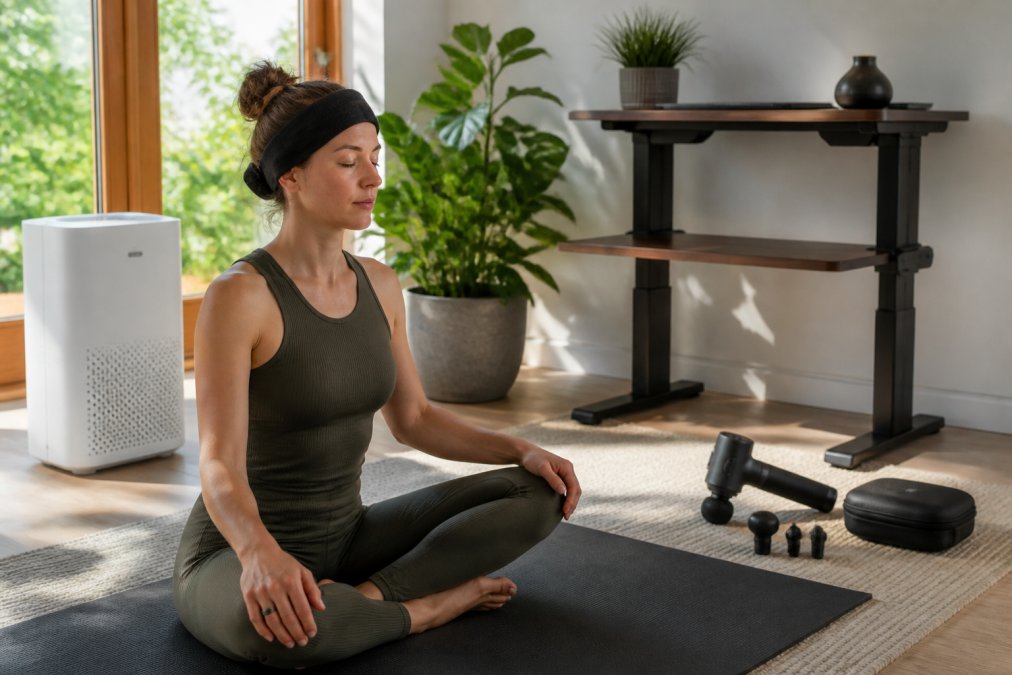
Start with one or two core tools that address your primary constraint. If posture is your issue, begin with a standing desk converter and a recovery device. If stress and sleep are the problems, start with a meditation tool and a sleep tracking device. Once you establish consistency, add complementary tools. This layered approach prevents overwhelm and builds momentum.
Track what actually changes. Notice how your energy shifts, how your stress levels change, or how back pain levels decrease. Measurement proves to yourself that the routine works, and that evidence sustains commitment.
The environment matters too. A clean, organized wellness space with quality equipment makes the routine feel intentional. When your equipment is visible and accessible, you use it more.
Finally, build flexibility into your routine. Equipment that adapts to different timeframes keeps the routine sustainable. A meditation session can be 10 minutes or 30 minutes. A recovery session can be quick or comprehensive. That flexibility is what separates routines people maintain from those they abandon.
The gap between wellness routines that stick and those that fade comes down to equipment selection. Generic solutions fail because they're not designed for your specific life, body, or goals. Curated wellness equipment from thewellbeingshop.com solves that problem by combining professional-grade tools, evidence-based selection, and intentional design. When your equipment actually works and aligns with your schedule and body, the routine becomes self-sustaining. Start with one curated piece that addresses your primary challenge, and build from there. The results will tell you whether the investment was worth it.
Frequently Asked Questions
Is curated wellness equipment worth the higher price point?
Yes, when you account for durability, efficacy, and long-term use. Curated wellness equipment undergoes quality assurance testing and ingredient transparency standards that mass-market alternatives skip. You're paying for equipment designed to support consistent routines, not impulse purchases that collect dust. Professional-grade tools deliver measurable results in energy production, recovery optimization, and stress management, outcomes that justify the investment over time.
What makes wellness equipment 'curated' versus mass-market?
Curated equipment is vetted for ingredient transparency, clinical standards, and real-world performance. Mass-market products prioritize volume and cost; curated solutions prioritize health outcomes. Curated items are selected based on evidence-based practices, bioavailability (how well your body absorbs benefits), and alignment with holistic health principles. The curation process eliminates guesswork, you get tools proven to support personalized nutrition, recovery optimization, and sustainable wellness infrastructure.
How do I know curated wellness equipment will actually stick with my routine?
Curated equipment is designed around behavior change and habit formation, not just features. Products are selected to integrate seamlessly into daily life, whether that's a desk converter for posture correction, a meditation trainer for stress management, or recovery tools for energy production. The key difference is intentional design: curated items remove friction from your wellness routine, making it easier to maintain consistency. Real customer stories show higher adherence rates when equipment is matched to specific health outcomes and lifestyle needs.
Will curated wellness equipment work if I only have 20-30 minutes a day to exercise?
Absolutely. Curated equipment is built for efficiency and results in short timeframes. Mind-body training tools, recovery devices, and posture-correction gear deliver measurable benefits in 20-30 minute sessions. The difference is quality over duration: professional-grade equipment maximizes every minute through better biomechanics, real-time feedback, and targeted muscle engagement. Many busy professionals see stronger results in 30 minutes with curated tools than in longer sessions with generic equipment.
This article was written using GrandRanker