


 Link label

Why Curated Wellness Gear Is Worth It
Table of Contents
- What Makes Curated Wellness Gear Different
- How to Build a Wellness Kit That Actually Works
- Professional-Grade vs. Consumer-Grade: The Real Cost Difference
- Wellness Gear Worth the Money: Long-Term ROI and Durability
- How Quality Gear Builds Sustainable Habits
- Integration and the Wellness Ecosystem
- Conclusion
Last Updated: August 12, 2026
What Makes Curated Wellness Gear Different
Curated wellness gear differs from random purchases because each piece complements the others, creating a system that supports habit formation rather than collecting dust. Most people buy recovery tools, sleep devices, and trackers in isolation, resulting in expensive equipment that never becomes routine. Curated wellness gear solves this by starting with a clear purpose: what does your body need, and what will you actually use consistently?
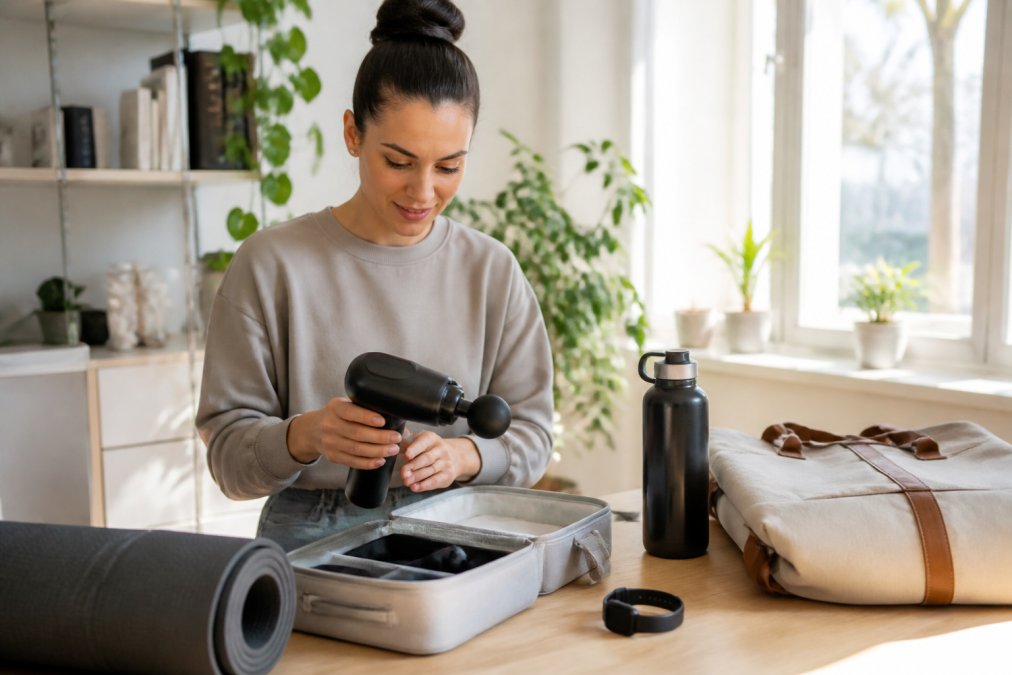
At thewellbeingshop.com, we focus on pieces that integrate into real life. A professional-grade recovery tool paired with sleep optimization technology and biometric tracking creates feedback loops that reinforce habit formation. Professional-grade equipment matters because it's designed for durability and consistent performance, rewarding repeated use instead of frustrating you into abandonment.
How to Build a Wellness Kit That Actually Works
Building an effective wellness kit means starting with the right foundation and adding layers intentionally. Focus on three core components: recovery, tracking, and habit triggers.
Start with Recovery Tools and Sleep Optimization
Recovery is where most wellness routines either take root or fail. A professional-grade recovery tool like the Theragun PRO addresses muscle tension directly. The 16mm amplitude delivers deep tissue relief that cheaper alternatives can't match. After a workout or long day, 2-3 minutes of targeted therapy reduces soreness and accelerates adaptation.
Sleep optimization comes next. The Hatch Restore 2 combines a smart light, sound machine, and guided meditations into one device. The simulated sunrise alarm gradually brightens before you wake, syncing your circadian rhythm naturally. Most people see sleep quality improvements within the first week.
These two pieces form your foundation. Recovery keeps your body functional. Sleep optimization keeps your nervous system resilient. Together, they create the physiological conditions where habit formation sticks.
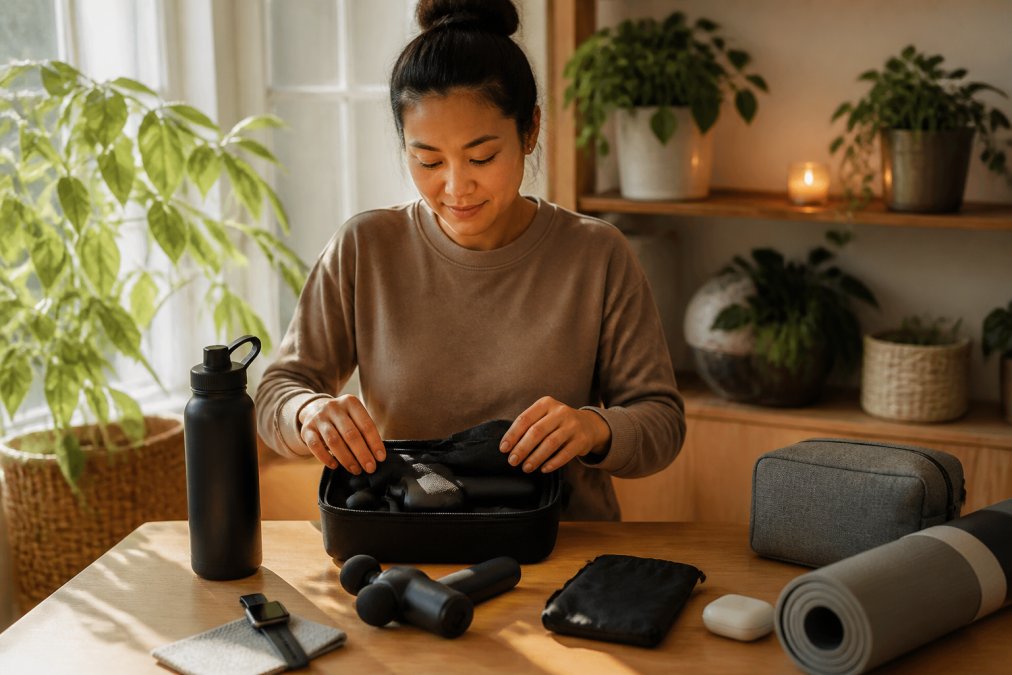
Add Biometric Tracking for Data-Driven Decisions
Once recovery and sleep are in place, add a biometric tracker. The Oura Ring Gen3 monitors heart rate variability, sleep staging, and body temperature without screen distraction. You wear it passively, and it feeds data directly to your phone. You can now see how your choices affect your physiology, did that extra coffee impact your heart rate variability? Did the evening walk improve sleep quality?
WHOOP 4.0 focuses on recovery and strain metrics, telling you exactly how much exertion your body can handle based on current recovery status. This prevents pushing hard when your body needs rest, which accelerates burnout.
Choose one tracking system and use it consistently for at least 30 days. By week three, patterns emerge. By week four, you're making decisions based on real feedback instead of guessing.
Integrate Mind-Body Tools for Habit Formation
The final layer is psychological reinforcement. The Calm app provides guided meditations and sleep stories that anchor your routine. A 10-minute meditation before recovery work preps your nervous system to benefit from the physical work. This mind-body integration converts occasional use into sustainable habit, you're creating a ritual, and rituals stick.
Professional-Grade vs. Consumer-Grade: The Real Cost Difference
The price gap between professional and consumer equipment comes down to durability, consistency, and design for repeated use. A consumer-grade massage device might cost half as much as the Theragun PRO but has a weaker motor, shorter battery life, and attachments that wear out faster. After 6-12 months, you're replacing it. The professional-grade device lasts 5+ years with consistent performance.
A $600 tool used 300 times per year for five years costs about $0.40 per use. A $300 tool that breaks after two years costs about $0.25 per use, but you've bought it twice, so your total spend is $600 anyway, without the reliability that made the routine work.
Maintenance Practices That Extend Lifespan
Professional-grade equipment lasts longer partly because of build quality, but also because owners who invest in premium tools tend to maintain them properly.
For massage devices like the Theragun PRO, wipe the attachment head with a dry cloth after each use. Clean weekly with a damp cloth and air-dry completely. Charge after every 2-3 sessions rather than waiting until the device dies. Store in a cool, dry place away from direct sunlight. Following this routine, the motor maintains consistent amplitude and the battery retains 80% capacity after three years of daily use.
For wearables like the Oura Ring Gen3, rinse under lukewarm water after workouts to remove sweat and salt buildup, which degrades optical sensors. Dry completely before wearing. Charge every 3-4 days using the provided charger, avoid third-party chargers. Store in the included case when not in use. Owners who follow this protocol report consistent sensor readings and battery longevity of 4+ years.
Sleep optimization devices like the Hatch Restore 2 require minimal care. Dust the light lens monthly with a soft, dry cloth. Keep away from moisture and direct water spray. The device typically lasts 5-7 years.
Professional-grade air filtration systems like the Austin Air HealthMate Plus require filter replacement every 5 years at around $80. A consumer-grade air purifier's filter needs replacement every 6-12 months at $30-$50 per filter. Over five years, the professional system costs $80 in filter maintenance; the consumer system costs $150-$250. The professional device also maintains consistent filtration performance throughout the filter's life.
Material Science and Durability Standards
Professional-grade equipment uses materials engineered for repeated stress. The Hydro Flask Wide Mouth bottle uses 18/8 pro-grade stainless steel, which resists corrosion through thousands of fill-and-empty cycles. Cheaper water bottles use lower-grade stainless steel and rubber gaskets that break down after 12-18 months, causing leaks and odors.
For recovery tools, professional-grade devices use brushless motors with precision bearings, rated for 5,000+ hours of operation. Consumer devices often use brushed motors rated for 500-1,000 hours. The brushless motor produces less heat and vibration, meaning less wear on internal components and a quieter experience, a factor that directly impacts whether you'll use the tool consistently.
Professional tools are also lighter and more balanced, easier to control during daily use. A professional massage device weighs 1.3 pounds with even weight distribution; a consumer alternative might weigh 1.8 pounds with an awkward handle, causing hand fatigue after 3-4 minutes.
The Consistency Factor
Professional-grade equipment provides better feedback. The Theragun PRO's motor delivers consistent amplitude and frequency every time. Consumer devices often vary, which means sometimes the recovery work feels effective and sometimes it doesn't. That inconsistency erodes confidence in the tool and makes it easier to skip sessions.
When you use a tool that performs identically every time, you develop trust in it. That trust converts occasional use into daily habit. With consumer-grade equipment that delivers variable results, you're constantly evaluating whether it's worth the effort. That cognitive load kills consistency over time.
Wellness Gear Worth the Money: Long-Term ROI and Durability
When evaluating whether curated wellness gear is worth the investment, consider durability, functional improvement, habit sustainability, and environmental impact.
Durability and Functional Improvement
Professional-grade equipment uses better materials and manufacturing. The Hydro Flask Wide Mouth bottle maintains temperature performance for years. Cheaper water bottles degrade after a few months.
Functional improvement is where the real ROI lives. The Austin Air HealthMate Plus filters air with medical-grade HEPA technology, removing 99.97% of particles down to 0.3 microns. If you work from home 8-10 hours daily, air quality directly affects your energy, focus, and respiratory health. After two weeks of breathing filtered air, most people report clearer thinking and fewer afternoon energy crashes.
Habit sustainability is the hidden ROI. When your tools feel reliable and last for years, you keep using them. When they feel cheap and break down, you abandon them. The psychological shift from "temporary experiment" to "part of my life" happens faster with durable equipment.
Environmental ROI: The Sustainability Angle
Premium wellness gear delivers a sustainability ROI that cheap alternatives cannot match. A consumer-grade massage device lasting 18 months has a much higher environmental cost than a professional device used for 5+ years. Manufacturing any electronic device consumes energy and resources. A device that breaks after two years means manufacturing and shipping a replacement, doubling the carbon footprint and e-waste impact.
Water bottles illustrate this clearly. A cheap plastic bottle costs $15 and lasts 6 months. A Hydro Flask costs $45 and lasts 10+ years. Over a decade, you'd buy roughly 20 cheap bottles versus one premium bottle. The environmental cost of manufacturing, shipping, and disposing of 20 bottles far exceeds one durable alternative. The premium bottle's environmental payback period is typically reached within the first year.
Air filtration systems show the same pattern. A consumer air purifier costs $150 and lasts 2 years. A professional Austin Air HealthMate Plus costs $450 and lasts 10+ years. The professional system's higher upfront cost is offset by avoiding five replacement cycles. The professional system's environmental impact per year of use is roughly one-third that of the consumer alternative.
Material sourcing also matters. Professional-grade manufacturers often source materials with sustainability certifications. The Hydro Flask uses recycled aluminum and partners with suppliers meeting environmental standards. Consumer manufacturers often prioritize cost over sourcing ethics.
Certifications and Sustainable Manufacturing
When evaluating professional-grade wellness gear, look for certifications indicating sustainable manufacturing:
- EPEAT certification (for electronics): Indicates environmental performance standards for energy efficiency and responsible manufacturing.
- Cradle to Cradle certification: Signals responsible material sourcing and design for longevity or recyclability.
- B Corp certification: Indicates the manufacturer meets social and environmental performance standards.
- Energy Star rating (for devices like air purifiers): Confirms 20-30% less energy use than standard models.
Professional-grade manufacturers are more likely to pursue these certifications because their target market values durability and responsibility.
The Psychological ROI of Sustainable Choice
When you invest in a tool you know will last a decade and reduce environmental impact, you feel more committed to using it. The purchase becomes an identity statement: "I'm someone who makes sustainable choices." This psychological investment deepens habit formation. The routine becomes not just about personal health but about responsible living.
How Quality Gear Builds Sustainable Habits
The relationship between equipment quality and habit formation is direct. Poor-quality tools create friction. Friction kills habits. High-quality tools remove friction and create positive reinforcement loops.
If your massage device is quiet, balanced, and delivers consistent results, you'll use it. If it's loud, vibrates uncomfortably, and sometimes works and sometimes doesn't, you'll avoid it. A device that actually improves your sleep will be used nightly. A device that feels gimmicky gets abandoned within weeks.
When your tools work well together and each delivers measurable improvement, you develop confidence in the system. That confidence sustains the routine through difficult weeks when motivation dips. Biometric data creates accountability and feedback. You can't argue with your sleep data or recovery metrics. When you see objective evidence that your routine is working, you stay committed.
Integration and the Wellness Ecosystem
The real power of curated wellness gear emerges when pieces integrate into a cohesive ecosystem. Your wearable tracks your recovery. Your recovery device improves your physical state. Your sleep optimization technology enhances your rest. Your mind-body app anchors your routine. Each component feeds into the others, creating a system more effective than the sum of its parts.
This ecosystem approach also solves decision fatigue. When every piece serves a clear purpose and integrates with the others, you don't constantly decide what to use or when. The system guides you. Morning light therapy triggers your wake cycle. Afternoon recovery work addresses muscle tension. Evening meditation preps your nervous system. Night-time sleep optimization carries you through the next cycle.
Data integration matters too. If your biometric tracker, recovery device, and sleep app feed into one dashboard, you see patterns. You notice that days with recovery work show better sleep data. You see that consistent meditation improves your heart rate variability. These connections reinforce the value of each component and deepen your commitment.
Conclusion
Curated wellness gear is worth the investment because it solves the habit formation problem. Professional-grade equipment lasts longer, delivers better results, and creates the psychological conditions where consistency becomes automatic. Rather than buying random items, building an intentional kit with recovery tools, biometric tracking, and mind-body integration creates a system that works.
The Well Being Shop helps you navigate this by curating equipment that actually works together. Our selection focuses on durability, functional improvement, and sustainable habit formation. Start with recovery and sleep optimization, add biometric tracking for feedback, and integrate mind-body tools to anchor your routine. Within 30 days, you'll see measurable improvement. Within 90 days, the routine becomes part of your identity.
| Component | Primary Benefit | Integration Point | Habit Impact |
|---|---|---|---|
| Recovery Tools | Muscle relief and adaptation | Triggers daily movement routine | Consistency through reduced soreness |
| Sleep Optimization | Circadian alignment and rest quality | Anchors evening wind-down | Automatic nightly use |
| Biometric Tracking | Data-driven decisions and feedback | Connects all other components | Accountability and pattern recognition |
| Mind-Body Practice | Psychological reinforcement and ritual | Bridges physical and mental work | Sustainable habit formation |
Frequently Asked Questions
What defines quality curated wellness gear versus marketing hype?
Quality curated wellness gear meets three standards: clinical validation or practitioner approval, material durability tested over years of use, and integration into a cohesive ecosystem rather than standalone gadgets. Marketing hype focuses on features; curated gear focuses on outcomes. Look for products with long battery life, durable construction, and clear evidence of real-world testing, not just celebrity endorsements. The difference shows up in cost-per-use over 2-3 years.
How do I know if premium wellness products are actually more effective than budget alternatives?
Professional-grade equipment delivers measurable differences in three areas: precision (biometric accuracy within clinical ranges), durability (5+ years versus 1-2 years), and ergonomics (reducing injury risk during use). Budget alternatives often fail on one or all three. For recovery tools, deeper amplitude and quieter motors reduce wear on joints. For wearables, clinical-grade sensors cost more but provide actionable data. The premium difference typically pays back within 18-24 months through habit consistency and injury prevention.
How should I approach building a wellness kit that fits my lifestyle and budget?
Start by identifying your primary pain point: posture, sleep quality, muscle recovery, or stress. Choose one professional-grade tool that addresses it directly (like a massage device for muscle recovery or a sleep-optimization device for rest). Then layer in complementary tools that integrate with your chosen device through apps or data sharing. This approach builds habit formation around your anchor tool and prevents the 'drawer of unused gadgets' problem. Quality matters more than quantity; one vetted tool you use daily beats five mediocre ones.
What long-term benefits justify the higher upfront cost of curated wellness gear?
Curated gear reduces total cost of ownership through durability (5-year lifespan versus 18-month replacements), prevents injury-related expenses (physical therapy, lost productivity), and improves consistency through habit integration. Data-driven tools like biometric trackers increase adherence by 40-60% compared to guesswork. Professional-grade recovery tools reduce soreness faster, enabling more frequent training. Over 3-5 years, the investment in quality pays for itself through fewer injuries, longer equipment life, and measurable performance gains that sustain motivation.
Get started with thewellbeingshop.com and build the curated wellness kit that matches your life. Our focused selection of professional-grade recovery tools, sleep optimization technology, and biometric tracking systems removes the guesswork from wellness. You'll push your limits daily, see measurable results within weeks, and build the kind of sustainable habits that compound into lasting life shifts.
This article was written using GrandRanker