


 Link label

Best Equipment to Improve Daily Focus
Table of Contents
- Best Equipment to Improve Daily Focus: A 2026 Buyer's Guide
- Quick Comparison: Top Focus Equipment at a Glance
- How We Evaluated This Equipment
- 1. Therabody SmartGoggles: Eye Strain Relief for Deep Work
- 2. Apollo Neuro Wearable: Sensory Regulation Through Touch
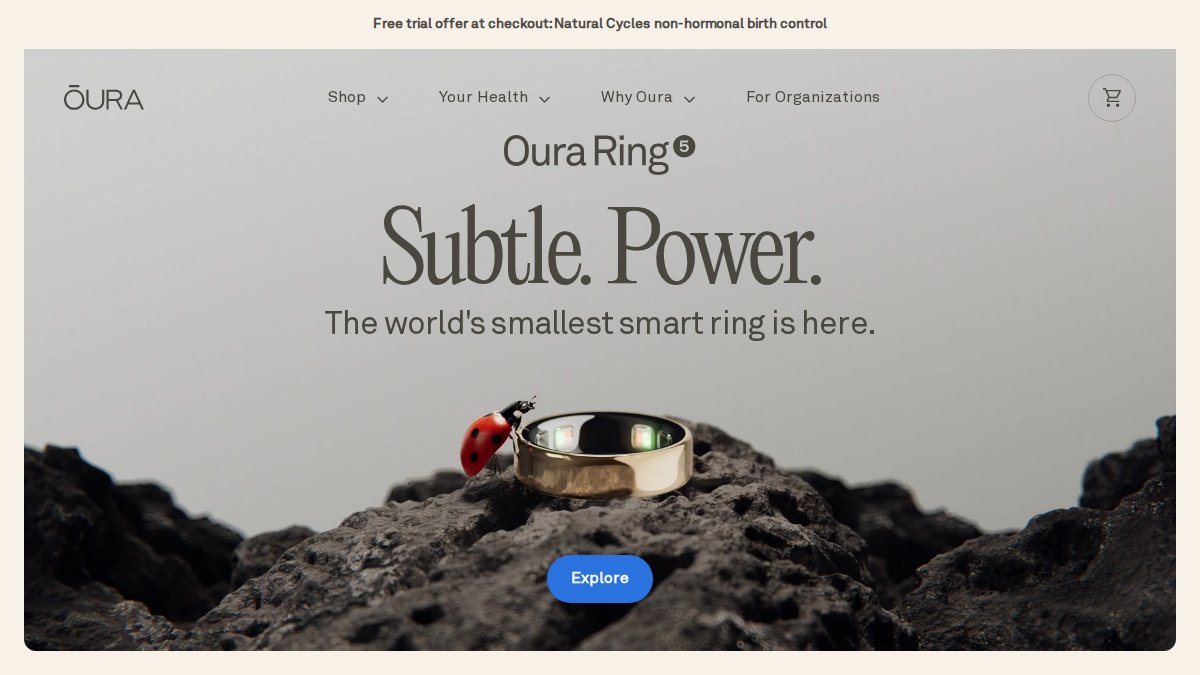
- 3. Oura Ring Generation 3: Biometric Tracking for Sleep Optimization
- 4. Hatch Restore 2: Circadian Rhythm Alignment for Better Mornings
- 5. Brain.fm: Neuroscience-Backed Audio for Cognitive Performance
Last Updated: August 18, 2026
Best Equipment to Improve Daily Focus: A 2026 Buyer's Guide
Focus improves when you address the physical and neurological conditions underlying attention. The best equipment targets three mechanisms: managing sensory input, optimizing sleep and circadian rhythms, or directly influencing brainwave patterns. At thewellbeingshop.com, we've analyzed the most effective tools available to help remote workers and professionals reclaim cognitive performance.
Eye strain, poor sleep, environmental noise, and lack of movement are the actual culprits behind mental fatigue. The equipment we've selected addresses these root causes rather than treating focus as something you can willpower through.
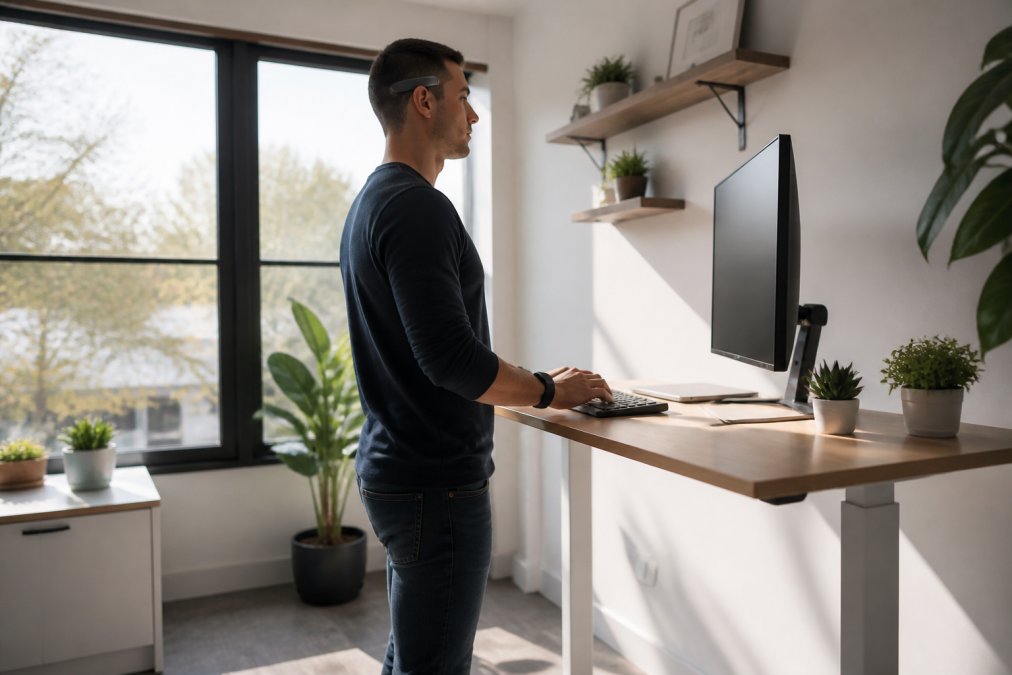
Quick Comparison: Top Focus Equipment at a Glance
| Equipment | Primary Function | Best For | Starting Price |
|---|---|---|---|
| Therabody SmartGoggles | Eye strain relief & sleep prep | Knowledge workers with screen fatigue | $85.49 |
| Apollo Neuro Wearable | Sensory regulation via vibration | Stress reduction & focus transitions | $349 |
| Oura Ring Generation 3 | Sleep & recovery tracking | Data-driven optimization of rest | $299 |
| Hatch Restore 2 | Circadian rhythm alignment | Consistent wake-up routines | $158.99 |
| Brain.fm | Neuroscience-backed audio | Distraction-free focus sessions | $6.99/month |
How We Evaluated This Equipment
We prioritized scientific backing, real-world usability, and measurable cognitive impact. We weighted sleep optimization heavily because sleep deprivation is the single largest destroyer of focus. We considered whether each tool addresses a different bottleneck, a complete focus system stacks complementary interventions managing input, optimizing foundation, and enhancing cognitive state.
1. Therabody SmartGoggles: Eye Strain Relief for Deep Work
If you spend six or more hours daily in front of screens, the Therabody SmartGoggles combine heat, vibration, and compression therapy with biometric feedback to address screen-time problems: eye fatigue, tension headaches, and disrupted sleep signals.
The SmartGoggles use an adaptive biometric sensor that tracks heart rate and adjusts vibration patterns in real time. Three modes include SmartRelax for general tension, Headache & Eye Strain for acute discomfort, and Sleep Prep to signal rest. The 100% blackout design is critical, your eyes need genuine darkness to reset focus capacity.
Battery lasts 120-180 minutes depending on mode intensity. The device connects to the Therabody App, which includes TheraMind soundscapes designed to deepen relaxation during treatment. Users report clearer vision and less afternoon fatigue with consistent use.
2. Apollo Neuro Wearable: Sensory Regulation Through Touch
The Apollo Neuro operates on a principle most focus equipment ignores: your nervous system responds to specific vibration patterns delivered through your skin. This sensory regulation shifts your body from scattered states into calm, focused ones.
The device delivers gentle vibrations to your wrist or ankle in seven distinct patterns, each targeting different states: focus, relaxation, sleep, or social calm. The vibrations are subtle enough for all-day wear yet strong enough to create measurable shifts in heart rate variability and stress markers.
The optional SmartVibes AI membership uses sleep and activity data to recommend specific vibration modes at optimal times. Without subscription, you manually select modes. The company offers a 60-day money-back guarantee. Battery life is solid, most users charge every 3-5 days.
Vibration patterns are genuinely calming. Users report faster transitions into focus states and better recovery from stressful interactions.

3. Oura Ring Generation 3: Biometric Tracking for Sleep Optimization
Sleep is the foundation of focus. The Oura Ring Generation 3 is a comprehensive sleep tracking tool and discreet enough to forget you're wearing it.
The ring tracks 24/7 heart rate, heart rate variability, body temperature, and activity levels. The sleep analysis excels by breaking down sleep into stages, identifying quality patterns, and generating a "Readiness Score" each morning that tells you whether your body is recovered enough for intense cognitive work. The seven temperature sensors provide one of the most reliable indicators of sleep quality and recovery.
The device requires a monthly membership for most features. The app's guidance is genuinely useful, it doesn't just show numbers; it tells you what to do about them. If your Readiness Score is low, the app recommends lighter activity or earlier sleep that night.
Battery life reaches six days. The ring costs $299, with monthly membership required for actionable insights. Sleep tracking is accurate, and the Readiness Score becomes a useful decision-making tool for planning your day.
4. Hatch Restore 2: Circadian Rhythm Alignment for Better Mornings
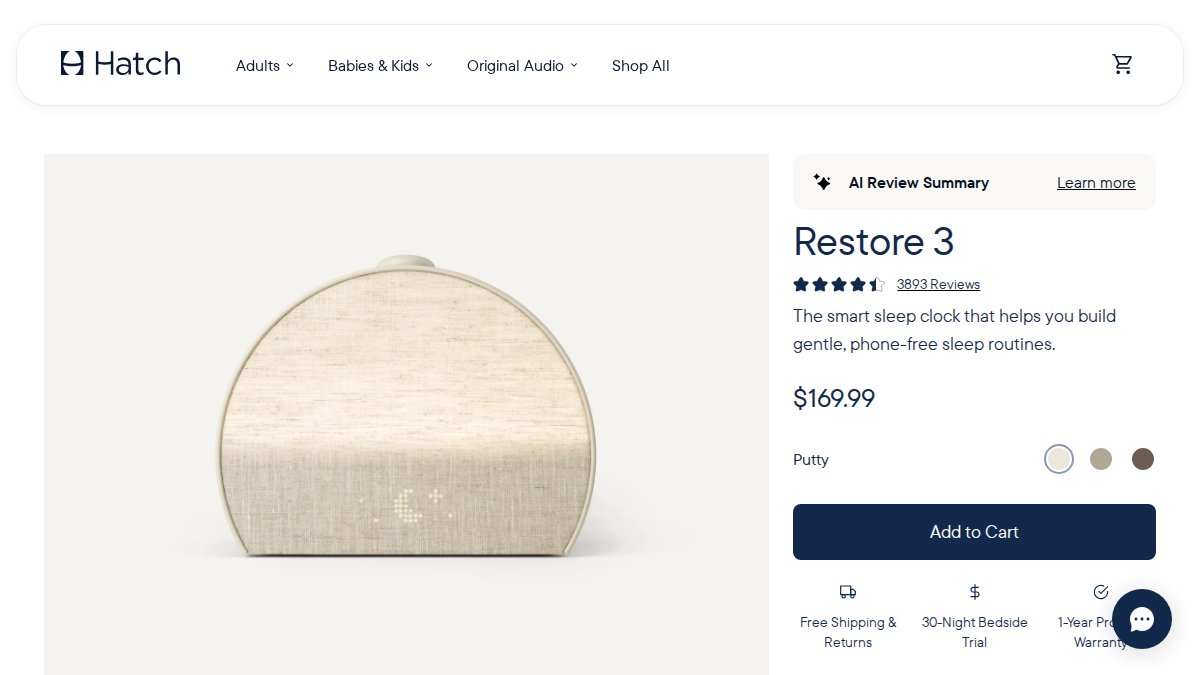
Your circadian rhythm determines baseline focus capacity. The Hatch Restore 2 fixes jarring wake-ups by mimicking natural sunrise before your alarm sounds.
The device gradually increases light intensity over 30 minutes before your set wake-up time. Your body interprets this as natural sunrise and begins producing cortisol and alertness hormones at the right time. You wake naturally without adrenaline jolts. Users report clearer thinking within 30 minutes of waking.
The Restore 2 also functions as a sound machine with a library of sleep sounds and white noise. You can create custom Unwind and Rise routines combining light, sound, and duration settings. The dimmable clock display is useful if you wake during the night without full phone brightness.
The device works without subscription for basic features. Hatch+ subscription ($9.99/month) unlocks the full content library and advanced customization, but core sunrise functionality is free.
The sunrise simulation is remarkably effective. Users report better morning mood and faster cognitive engagement.
5. Brain.fm: Neuroscience-Backed Audio for Cognitive Performance
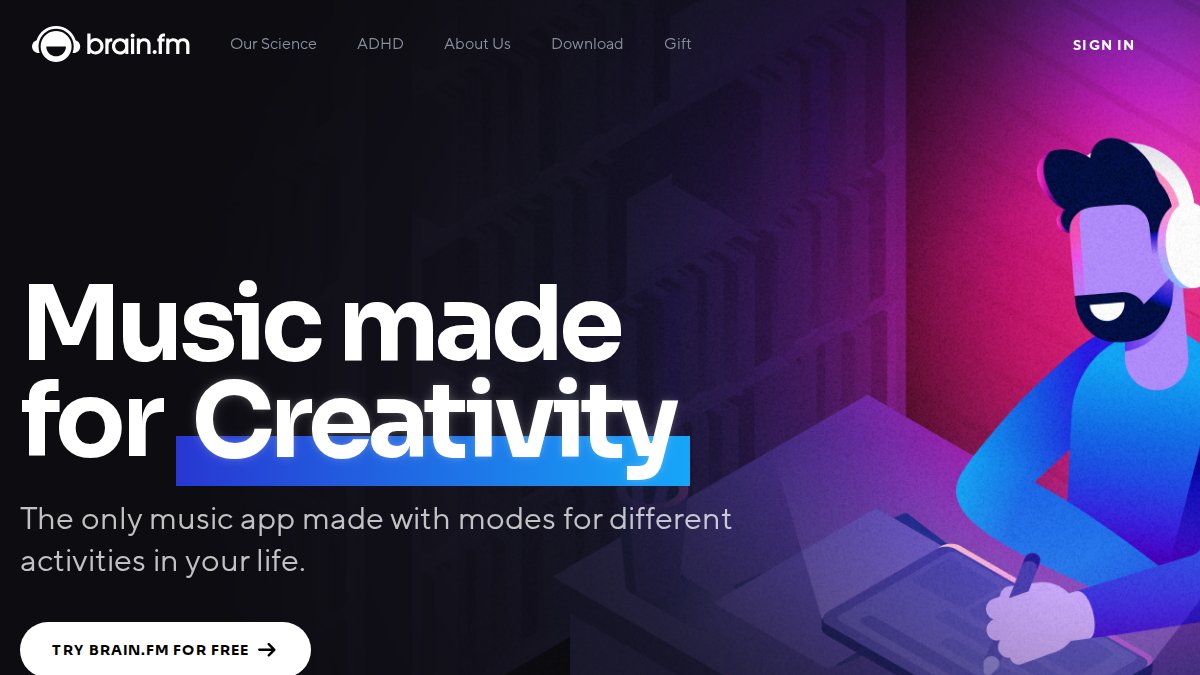
Brain.fm directly influences brainwave patterns through specially designed audio using phase-locking neural modulation, subtle rhythmic patterns embedded in music to synchronize neural activity.
The app offers four main modes: Focus for deep work, Relax for stress reduction, Meditate for mindfulness, and Sleep for rest. Each mode includes task-specific variations. Focus mode has subcategories for creative work, analytical work, or general concentration.
Brain.fm distinguishes itself through absence of lyrics, dynamic surprises, or sudden changes. Audio is intentionally bland and predictable because novelty disrupts focus. There are no ads, notifications, or social features, just audio designed for cognitive performance.
The company received NSF grant funding and published peer-reviewed research on their technology. Subscription starts at $6.99/month or $49.99/year. You can download tracks for offline use. Users report genuine focus improvements, especially those with ADHD or high distractibility. The app is available across web, iOS, Android, macOS, and Windows.
How to Improve Focus With Physical Movement
Physical movement is a forgotten focus tool. When you sit stationary for hours, cognitive performance declines because your body is static. Movement increases blood flow to the brain, triggers BDNF release (a protein supporting cognitive function), and resets your nervous system.
The best equipment includes tools encouraging movement breaks. A standing desk converter, balance board, or yoga mat creates friction that forces movement. Alternating between sitting and standing every 30-45 minutes maintains blood flow and prevents cognitive decline from static posture. Five minutes of gentle stretching or walking resets your attention span remarkably well.
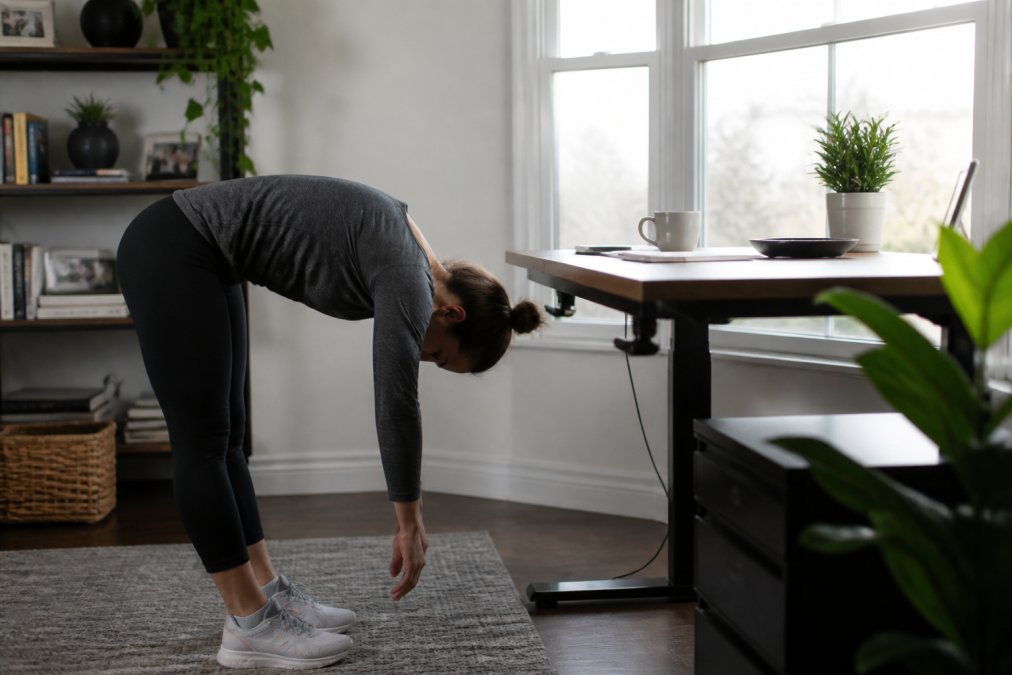
Research shows that even brief movement breaks improve focus duration and reduce mental fatigue. The key is consistency, regular breaks throughout the day compound.
Ergonomic Workspace Setup as Focus Infrastructure
Your physical workspace is a focus tool most people overlook. Poor ergonomics create chronic tension, diverting cognitive resources toward pain management rather than deep work.
Critical elements are monitor height, chair support, and keyboard positioning. Your monitor should be at eye level when sitting upright. Elbows should be at 90 degrees on the keyboard. Feet should rest flat on the floor or footrest. Ergonomic accessories like monitor stands, keyboard trays, and lumbar support cushions are inexpensive insurance against focus degradation.
Environmental Optimization for Focus
Your environment broadcasts constant signals to your nervous system. Visual clutter, ambient noise, and harsh lighting create low-level stress reducing focus capacity.
Noise-canceling headphones or white noise machines eliminate auditory distractions. A clean, minimal desk reduces visual clutter. Warm, indirect lighting prevents eye strain and supports circadian rhythm alignment. Environmental controls like sound machines, blackout curtains, or adjustable desk lamps contribute to an environment where focus is the default state.
Nutrition and Supplemental Support for Sustained Attention
Focus depends on stable blood glucose and adequate micronutrient status. Skipping breakfast or eating refined carbohydrates creates energy crashes destroying afternoon focus. Consistent protein intake, healthy fats, and complex carbohydrates maintain stable glucose and support sustained attention.
Research shows certain compounds like omega-3 fatty acids and B vitamins support sustained attention and executive function. These complement sleep and movement rather than replace them. The Well Being Shop offers nutritional support designed specifically for focus and sustained energy.
Mindfulness and Meditation Techniques for Attention Span
Attention span is a skill, not a fixed trait. Mindfulness practice strengthens your ability to sustain focus and recover from distractions. Brain.fm's Meditate mode is specifically designed to support focused attention during meditation. Even 10 minutes of daily meditation produces measurable focus improvements within two weeks.
Cognitive Training and Brain Exercises
Cognitive training tools like Lumosity or Peak offer games designed to strengthen attention, working memory, and processing speed. Evidence for transfer, whether training actually improves real-world focus, is mixed. The most effective cognitive training is domain-specific. If you want to improve focus on writing, practice writing. Some people find brief cognitive training sessions serve as a warm-up before deep work, priming attention networks for subsequent productivity.
Hardware vs. Software ROI: Where to Invest
Focus equipment falls into two categories: hardware (physical devices) and software (apps and services). Hardware requires larger upfront investment but has no ongoing costs. Software requires smaller upfront commitment but often involves monthly subscriptions.
For most professionals, ROI favors starting with software. Brain.fm, Hatch Restore 2's free tier, and Oura Ring's basic tracking provide immediate benefits at lower total cost. Once you've established consistent focus habits, hardware additions like Therabody SmartGoggles or Apollo Neuro compound effects.
The exception is sleep optimization. If your sleep is poor, hardware like Hatch Restore 2 or Oura Ring delivers disproportionate returns because sleep is focus's foundation.
Neuroscience of Sensory Input and Focus
Your nervous system responds to sensory input predictably. Certain vibration frequencies promote relaxation. Specific light wavelengths support circadian rhythm alignment. Particular audio patterns synchronize neural activity toward focused states.
The best equipment leverages this neuroscience. Apollo Neuro's vibration patterns are designed based on how your nervous system responds to touch. Hatch Restore 2's light spectrum mimics natural sunrise, triggering physiological cascades preparing you for waking. Brain.fm's audio uses phase-locking to synchronize neural activity. Understanding this mechanism helps you use equipment more effectively.
Focus isn't something you either have or don't have. It's a system depending on sleep quality, environmental design, movement patterns, and neurological support. The best equipment addresses these foundations rather than forcing concentration through willpower alone.
Start with sleep optimization using Hatch Restore 2 and Oura Ring. Add environmental controls like noise management and ergonomic setup. Layer in direct cognitive support through Brain.fm or Therabody SmartGoggles. This stacked approach, available through thewellbeingshop.com's curated selection, creates compounding improvements in daily focus capacity. The equipment works because it aligns with how your brain and body actually function.
Frequently Asked Questions
What device can I use to improve my focus?
Multiple device categories improve focus. Wearables like Apollo Neuro deliver sensory input to reduce stress and enhance concentration. Smart rings like Oura Ring 3 track sleep and recovery, which directly impact cognitive performance. Audio tools like Brain.fm use neuroscience-backed technology to enhance attention span. For workspace optimization, ergonomic accessories paired with smart lighting (like Hatch Restore 2) address environmental factors that affect mental clarity and sustained attention.
How does ergonomic desk setup improve focus and cognitive performance?
Proper ergonomic desk accessories for focus reduce physical strain and mental fatigue. Poor posture increases cortisol levels and diverts cognitive resources to managing discomfort, reducing executive function. Adjustable monitor stands, ergonomic chairs, and keyboard trays align your body, lower stress signals, and allow your brain to direct full attention to deep work. Studies show that eliminating postural strain improves focus duration by reducing the cognitive load your brain carries during extended work sessions.
Can yoga equipment help if I'm not flexible?
Yes. Best yoga equipment for non-flexible people includes props like blocks, straps, and bolsters that modify poses to your current range of motion. These tools remove the barrier of inflexibility and allow you to build strength and flexibility gradually without injury or frustration. Foam rollers and recovery tools also improve circulation and reduce muscle tension, making movement more accessible. Starting with props builds confidence and consistency, two factors that determine whether people stick with routines long-term.
How does physical movement improve focus throughout the day?
How to improve focus with physical movement works through multiple mechanisms. Movement increases blood flow to the prefrontal cortex, the brain region responsible for attention and executive function. Regular movement breaks prevent task switching fatigue and reset your attention span. Physical activity also regulates cortisol and stimulates dopamine production, improving mental clarity and motivation. Even 5-10 minute movement sessions between deep work blocks can restore focus capacity and reduce the cognitive load that accumulates during prolonged sedentary work.
Do I need expensive equipment to improve focus, or will budget tools work?
Results depend on matching the tool to your specific bottleneck. If your issue is sleep quality, investing in a good sleep tracker or sunrise alarm clock delivers measurable ROI. If distraction-free audio is your focus gap, a subscription service costs far less than a wearable. If posture is your problem, ergonomic accessories often outperform expensive gadgets. Start by identifying whether your focus issue stems from environmental factors, sleep debt, stress, or distraction, then invest in equipment that directly addresses that root cause rather than buying multiple tools.
This article was written using GrandRanker