


 Link label

How to Design a Home Environment for Healthy Habits
Last Updated: November 4, 2026
Quick Summary
To design a home environment for healthy habits, start with a 20-minute habit audit of where routines happen and what cues trigger them, then change one room at a time so the healthy choice becomes the easy choice. Reduce friction for good behaviors and add friction to unwanted ones.
- Pick two health goals and one room to start, then add rooms once those stick.
- Put fruit and vegetables at eye level and move chips and cookies to a high, closed shelf.
- Keep the bed for sleep only and move work laptops and laundry out of the bedroom.
- Start a home workout space with a clear 2-meter square of floor and a mat.
- If a habit slips, move the cue rather than the goal and review your setup monthly.
Table of Contents
- Start With a Habit Audit Before You Rearrange Anything
- Home Environment Examples That Make Healthy Choices Easy
- How Your Home Environment Affects Your Mental Health
- Home Workout Space Ideas for Small and Rented Rooms
- Healthy Home Habits You Can Build Room by Room
- Low-Cost and Renter-Friendly Changes That Still Work
- Common Mistakes to Avoid When Rearranging for Health
- Track Your Progress and Adjust Your Setup Each Month
- Frequently Asked Questions
Start With a Habit Audit Before You Rearrange Anything
Most people rearrange a room and hope new habits follow. The better move is to study your current routines first.
A common pattern is that people buy equipment before they understand their space, and the gear then sits unused because the room still cues old behavior.
A habit audit is a short review of where your daily routines happen and what triggers them. It takes about 20 minutes with a notebook.
Map the Cues That Trigger Your Current Routines
Walk through your home and note what you actually do in each room. Be honest.
- Where do you sit when you scroll on your phone?
- Which chair holds the laundry pile?
- Where do snacks live, and how easy are they to reach?
Write down the cue, the routine, and the result. A visible snack shelf cues snacking. A closed laptop cues rest. Cues often influence behavior as much as willpower does, which is why environmental design can help.
Pick Two Habits and One Room to Start
Trying to fix every room at once fails. Pick two health goals and one room to start.
For example: "move more" and "sleep better," starting in the bedroom. Or "eat better" and "reduce stress," starting in the kitchen.
Two habits keep the project small. One room keeps it affordable. Once those stick, add the next room. Small, repeatable shifts tend to work better than one dramatic overhaul.
Home Environment Examples That Make Healthy Choices Easy
Good home environment examples share one trait: the healthy choice is the easy choice. You reduce friction for what you want and add friction to what you don't.
Here is how that looks in practice.
Kitchen and Dining Room Setups
- Put fruit and vegetables at eye level; move chips and cookies to a high, closed shelf.
- Keep a filled water bottle on the counter.
- Clear the dining table completely so meals have a dedicated eating area.
Small changes like these make nutritious foods accessible without a single lecture about willpower.
Bedroom and Living Room Setups
- Keep the bed for sleep only; move work laptops and laundry out.
- Add blackout curtains and keep the bedroom temperature cool for better sleep hygiene.
- Put a book where your phone usually sits.
A sleep-friendly bedroom and a calmer living room both lower stress and make healthy routines feel natural.
How Your Home Environment Affects Your Mental Health
Your home environment affects your mental health more than most people realize. The American Psychological Association notes that our surroundings shape mood and stress levels, and a tidy, calming space gives your nervous system fewer things to react to.
The mechanism is fairly simple. Your brain constantly scans the environment for threat and for unfinished tasks.
Start with the senses, but make each change specific to a room:
- Light: open blinds in the morning to anchor your circadian rhythm; switch to warmer lamps after dinner, since harsh overhead light at night can make winding down harder.
- Sound: soften echo-prone rooms with rugs, curtains, and upholstered furniture. A bedroom that echoes is harder to relax in than one that absorbs sound.
- Order: clear one surface completely and keep it clear. Pick the surface you see first when you walk in, the kitchen counter or the entryway table, because that is the cue your brain reads most often.
Room by room, the mental-health levers look like this:
- Bedroom: dark, cool, and quiet. Move work laptops and laundry out; the bed should cue sleep, not email.
- Living room: one screen-free corner for reading or stretching. A single chair with a lamp and a book is enough.
- Kitchen: clear counters. A cluttered kitchen makes cooking feel like a chore and pushes you toward takeout.
Watch out: not every calming recommendation is backed by strong evidence.
If you want a daily calming habit to pair with your new space, our guide on how to start a daily meditation practice for beginners walks you through the first two weeks.
Home Workout Space Ideas for Small and Rented Rooms
You do not need a garage gym. The best home workout space ideas fit the room you already have, and renters can make them work without drilling a single hole.
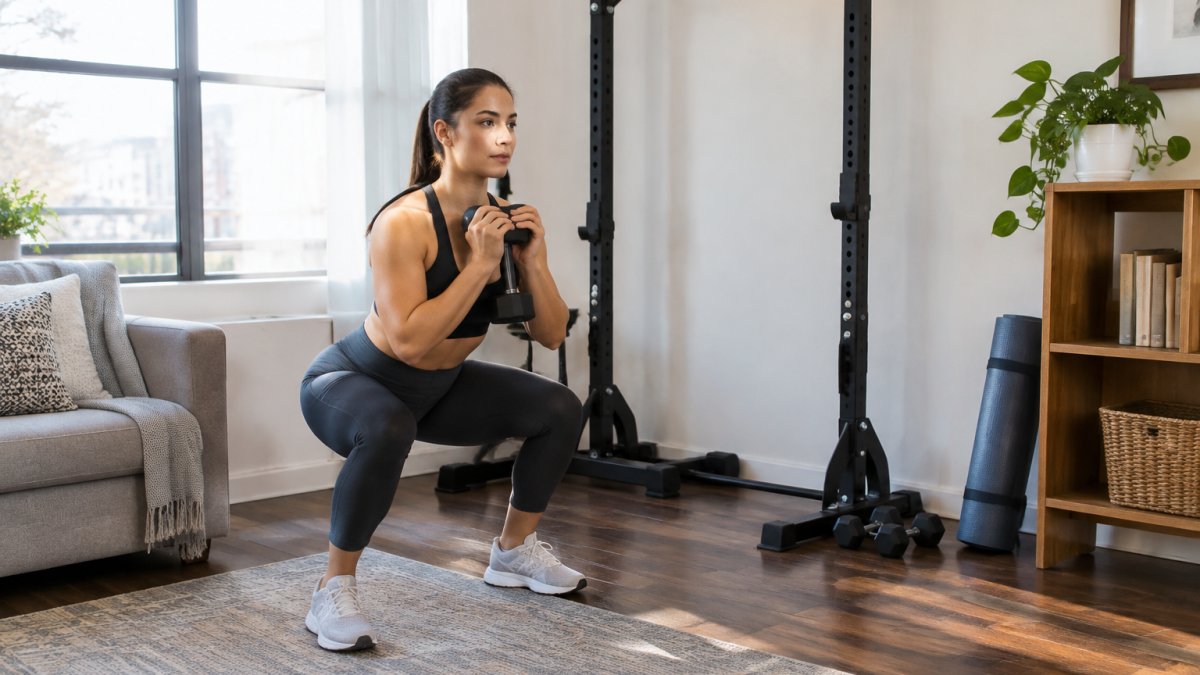
Start with a clear 2-meter square of floor and a mat. Add one piece of equipment at a time.
Renters should choose free-standing gear over wall-mounted racks. Portable options set up in minutes and store in a closet.
Choosing Equipment That Fits Your Space
Match the tool to your room and your goal.
- Pilates and toning: the MUNA Triangle Dumbbell is compact, will not roll, and suits mat work.
- Upper body, no weights: the Adjustable Hydraulic Power Twister Bar trains chest and arms in a small footprint.
- Dedicated gym room: the All-in-One Home Gym combines a Smith machine, power rack, and functional trainer in one unit.
For more compact picks, see our roundup of home gym weight equipment for small spaces. If you want versatile, low-cost tools, our resistance bands benefits guide explains what to buy first.
| Space | Best Equipment | Why It Fits |
|---|---|---|
| Apartment corner | Verse Agile Rack NEO | Free-standing, portable, no drilling |
| Mat-only floor | MUNA Triangle Dumbbell | Compact, stable, will not roll |
| Desk or travel | Hydraulic Power Twister Bar | Light, portable, no weights |
| Dedicated gym room | All-in-One Home Gym | Full station in one footprint |
Healthy Home Habits You Can Build Room by Room
Healthy home habits stick when each room has one clear job. Assign a single habit to each space and let the room do the reminding. Most guides stop at a bullet list; the checklist below is the part competitors skip, it turns each room into a short, testable setup you can actually finish in an afternoon.
All-in-One Home Gym: Power Rack with Smith Machine & Functional Trainer →
A Room-by-Room Habit-Design Checklist
Use this as a working list. Check an item only when the healthy choice is genuinely the easiest one in that room.
Kitchen
- Fruit and vegetables at eye level; chips and cookies on a high, closed shelf.
- A filled water bottle on the counter and a pitcher in the fridge.
- Prepped produce in clear containers at the front of the fridge.
Dining room
- Table cleared completely; meals have a dedicated eating area.
- A no-screens-at-the-table rule, with a basket or shelf nearby to park phones.
- Chairs that fit every household member, including children and older adults.
Bedroom
- Bed used for sleep only; work laptops and laundry moved out.
- Blackout curtains and a cool room temperature.
- Phone charging outside the bedroom, or at least across the room.
Bathroom
- Floss and a toothbrush visible on the counter; extras stored out of sight.
- A grab bar or non-slip mat if anyone in the home is at risk of falls.
- Medications stored safely and consistently, locked if children are in the home.
Living room
- One screen-free corner for reading or stretching.
- Stretch band or mat stored visibly, not in a closet.
- A walking bag or shoes by the door for phone-break walks.
Entryway
- Shoes and a walking bag ready to go.
- A landing spot for keys and mail so clutter does not migrate inward.
Workspace
- Desk cleared at the end of the day; laptop closed to cue rest.
- Notifications off during focus blocks; phone in a drawer or another room.
- A charging station outside the bedroom.
Digital Environments Count as Part of the Home
Most room-by-room advice ignores devices, but phone placement is one of the strongest cues in a modern home. Put the charger in a hallway or kitchen rather than the bedroom, set a screen-free zone at the dining table, and turn off non-essential notifications so the phone stops interrupting the routines you are trying to build. A device that lives in your pocket cues scrolling; a device that lives on a shelf cues nothing.
Adapt the Checklist to Your Household
A setup that works for a single adult may fail for a family with young children, a multigenerational home, or someone with a disability. Lower one shelf so a child can reach the fruit; keep a step stool and grab bars where they help; leave clear, wide paths for walkers or wheelchairs; and store cleaning products and medications locked if children are present.
This is environmental design in action: each room cues one behavior, and the checklist tells you when the cue is actually in place.
Low-Cost and Renter-Friendly Changes That Still Work
You can redesign a home for health without spending much, and renters can do all of it. Focus on what you can move, cover, or add.
- Rearrange furniture before buying anything.
- Use command hooks and freestanding shelves instead of built-ins.
- Add blackout curtains on tension rods.
None of these require a landlord's permission. Most cost less than a takeout dinner.
Common Mistakes to Avoid When Rearranging for Health
The biggest mistake is buying gear before changing cues. A treadmill in a cluttered room still cues avoidance.
Watch out: clearing a whole room in one weekend often backfires. You lose your routine and stall out. Change one zone at a time.
Other common traps:
- Making healthy items hard to reach.
- Ignoring lighting and ventilation.
- Designing for an idealized self, not your real schedule.
If you tend to start strong and fade, read our guide to the procrastination traps that stall wellness routines before you begin. And to balance body and mind as you build, see balance physical and mental health daily.
Track Your Progress and Adjust Your Setup Each Month
A setup is a hypothesis, not a finish line. Check it monthly and adjust.
Use a simple scorecard:
- Did the habit happen at least 4 days a week?
- Is the healthy choice still the easiest one?
- What cue is getting in the way?
If a habit slipped, move the cue, not the goal. If it stuck, add the next room. This measurable habit-design process keeps your home working for you as your routines change.
Frequently Asked Questions
How do I start designing my home for healthy habits if I rent and cannot make permanent changes?
Focus on what you can move, remove, or add without touching the walls. Shift the fruit bowl to the counter and put snacks out of sight, set up a portable rack or a mat in a corner, and use freestanding lighting instead of installing fixtures. Renter-friendly changes like these cost little and can be undone when you move. The goal is to reduce friction for the habits you want and add friction to the ones you do not.
What are some simple home environment examples that support healthy habits?
A few practical home environment examples: a bowl of fruit at eye level on the counter, a water bottle filled and ready on your desk, a mat unrolled in the morning so movement is the first thing you see, and a charging station outside the bedroom so screens stay out of reach at night. Each one puts a cue for a good habit directly in your path and makes the alternative take more effort.
How does my home environment affect my mental health?
Clutter, poor lighting, and constant screen exposure can make it feel harder to wind down. Tidiness, natural light, and a clear sleep-friendly bedroom give your nervous system fewer things to process. Small, consistent changes to your space support stress reduction and emotional well-being over time, especially when they are tied to routines you repeat daily rather than one big overhaul.
How can I make it easier to work out at home without a full gym?
Keep one piece of equipment visible and ready to use. A portable squat rack that sets up in under three minutes, a single dumbbell, or a resistance bar stored beside your desk removes the setup step that kills most routines. Pair it with a fixed time and a trigger, such as finishing your last meeting, so the habit has a cue. Twenty focused minutes done consistently beats an hour you never start.
Your home can either fight your health goals or quietly support them. Small, intentional changes, one room at a time, do more than any crash overhaul. At thewellbeingshop.com, we carry the tools to make those changes real: portable strength gear for small spaces, compact mind-body tools for daily practice, and recovery equipment that fits your routine. Get started with thewellbeingshop.com and turn your space into a place that builds healthy habits every day.
